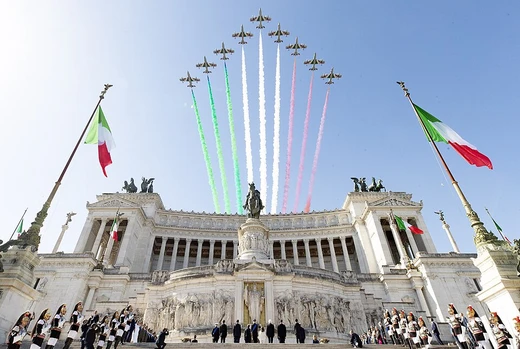
Songkran (Thailand)
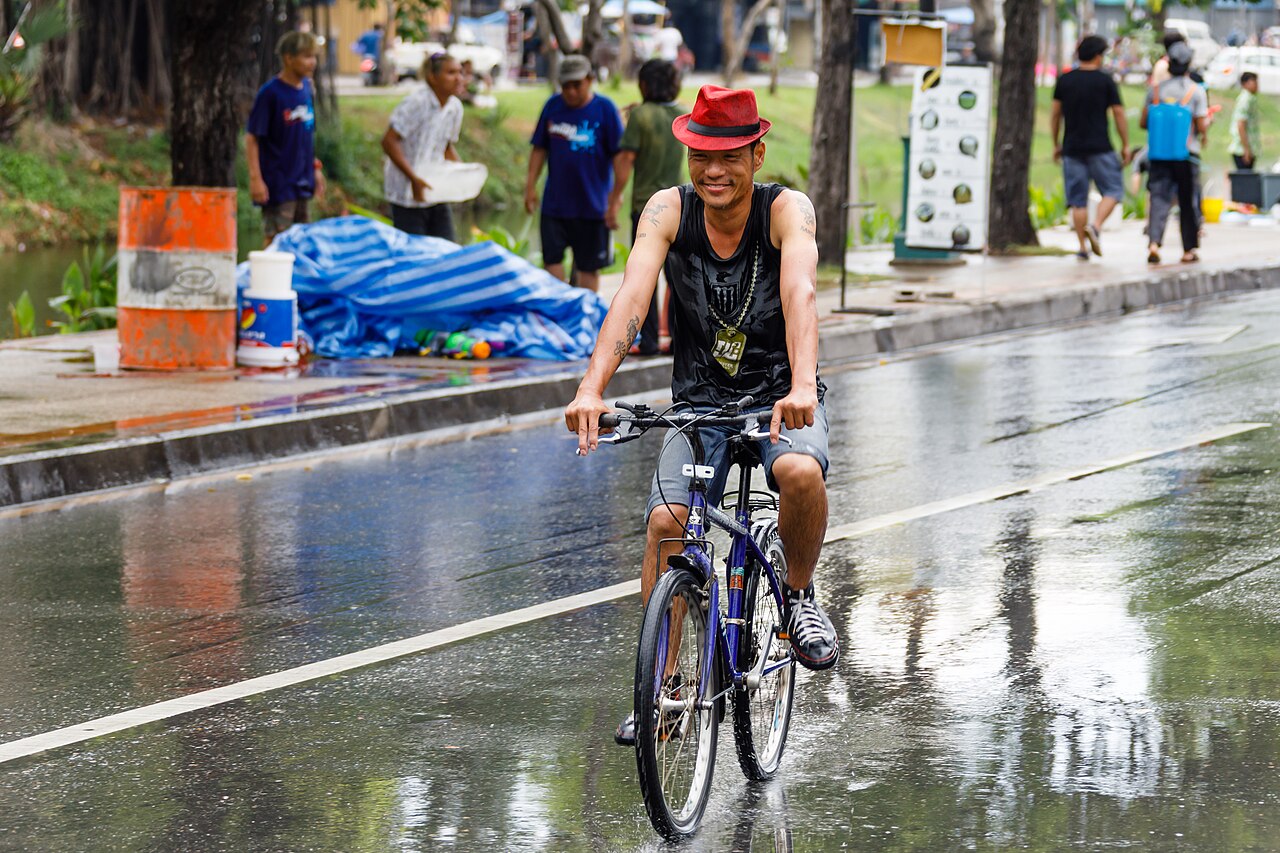
Thai New Year festival marked by water fights and ritual cleansing.

CEphoto, Uwe Aranas · CC BY-SA 4.0
Songkran, also known as the Thai New Year, is a national holiday in Thailand celebrated annually from 13 to 15 April.
- Observed
- 13–15 April
Lore & Background
Songkran derives from the Sanskrit word Saṅkrānti, meaning 'movement' or 'astrological passage', referring to the sun's transition between zodiac signs. In Thailand, the term specifically denotes the period when the sun moves from Pisces to Aries, known as Maha Songkran ('great Songkran'), marking the traditional New Year based on the solar calendar. The festival traditionally spans three days: 13 April (Maha Songkran), 14 April (Wan Nao, the transitional day), and 15 April (Wan Thaloeng Sok, New Year's day).
Reader's Guide
Songkran is significant as Thailand's traditional New Year celebration, deeply rooted in astrological and calendrical traditions derived from the Suriyayart, the Thai adaptation of the Surya Siddhanta. The festival's timing is calculated using a formula involving the Kali Era, Common Era, and Buddhist Era, with the Julian day of the new year computed from the Minor Era. Historically, the king or Chief Royal Astrologer issued an official proclamation (Prakat Songkran) detailing the festival's dates and ceremonies. In modern times, Songkran is a national holiday known for public water fights that symbolize ritual cleansing, and it has become a major tourist attraction.
Did You Know?
- The festival's traditional dates are 13–15 April, with the public holiday officially observed on those days.
- The term Songkran is derived from Sanskrit Saṅkrānti, meaning 'movement' or 'astrological passage'.
Astronomical Roots and the Three-Day Structure
Songkran's name traces back to the Sanskrit word Saṅkrānti, which carries meanings of movement, passage, and astrological transition. In its original Sanskrit context, a saṅkrānti event recurred every month, but Thai tradition narrowed the term to one specific celestial moment: the sun's passage from the zodiac sign of Pisces into Aries. This particular transit is called Maha Songkran, or the "great Songkran," and it anchors the entire festival as a solar-calendar New Year. The traditional celebration unfolds across three distinct days. April 13, Maha Songkran, marks the sun's entry into Aries and the closing of the old year. April 14, known as Wan Nao, serves as a transitional bridge between the two years. Finally, April 15, Wan Thaloeng Sok, literally meaning "to begin a new era or year," is the true New Year's day. This three-day arc transforms a single astronomical event into a structured period of cultural and spiritual significance.
From Official Calendar to National Holiday
For centuries, Songkran was not merely a cultural observance but the official New Year of Thailand. The nation's calendar was anchored to this solar event until 1888, when the government shifted the official New Year to 1 April. A further change came in 1940, when 1 January was adopted as the official start of the year, aligning Thailand with the broader international convention. Despite these administrative rejections, the traditional Songkran festival survived as a deeply embedded national holiday, celebrated every year on 13 April with the holiday period extending through 14 and 15 April. The festival also sits within a wider web of New Year observances across South and Southeast Asian cultures that follow the Theravada Buddhist calendar, and it coincides with related celebrations in the Hindu calendar. In 2024, UNESCO recognized Songkran by inscribing it on humanity's intangible cultural heritage list, affirming its global cultural significance. Meanwhile, the festival's famous public water fights, rooted in the symbolism of ritual cleansing, have drawn enormous numbers of international visitors, making Songkran a major pillar of Thai tourism.
The Suriyayart Calculation System
Before the Thai cabinet fixed Songkran's dates to 12–14 April in 1989, the festival's timing was determined through a sophisticated astronomical method called Suriyayart, the Thai adaptation of the ancient Surya Siddhanta. The festival was said to begin at the precise moment the Sun entered Aries in the sidereal zodiac, an event that in 1989 was calculated to occur at 20:57 on 13 April. The underlying timekeeping system was extraordinary in its scope: it measured elapsed time from the start of the Kali Yuga in 3102 BCE. A solar year was defined as 292,207 kammaja, where one kammaja equals 108 seconds and 800 kammaja make up a single solar day. To compute the New Year, astrologers applied a formula relating the Kali Era, Common Era, and Buddhist Era to derive a day number and a remainder in kammaja, which indicated the exact time after midnight when the new year began. Because the raw day numbers grew enormously large, additional calendar eras such as the Minor Era were introduced to keep calculations manageable.
Royal Astrology and Public Proclamation
The Songkran period was not only an astronomical event but also a deeply institutionalized royal and religious occasion. Local and royal astrologers used the days between Maha Songkran and Wan Thaloengsok to make predictions covering the economy, agriculture, rainfall, and political affairs. On behalf of the monarch, either the king personally or the Chief Royal Astrologer issued a formal public announcement called Prakat Songkran, or the Songkran notification. This proclamation detailed the dates of Songkran and Thaloengsok, the lunisolar calendar, and the religious and royal ceremonies to be observed. The government adhered strictly to this royal announcement, organizing official ceremonies in accordance with the Chief Royal Astrologer's calculations. This system placed astronomical precision and royal authority at the center of the nation's New Year, blending scientific observation with spiritual and political legitimacy in a way that reinforced the monarchy's role as the spiritual and temporal anchor of Thai society.
Gallery
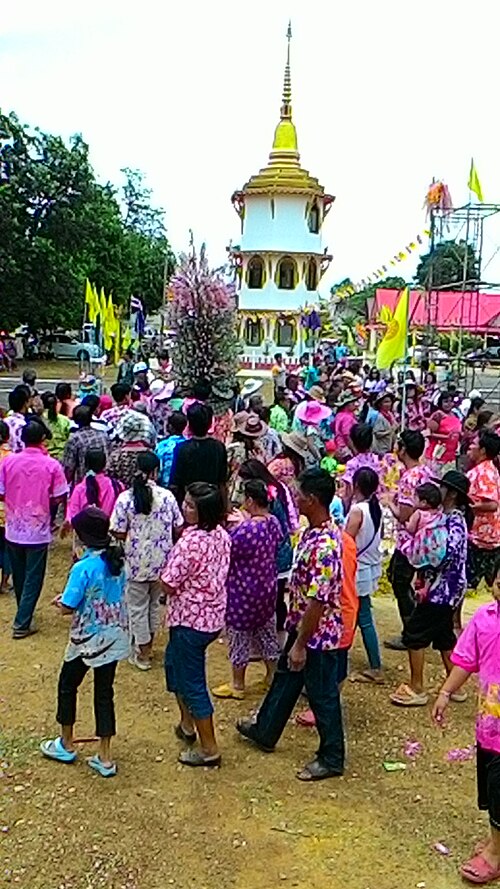

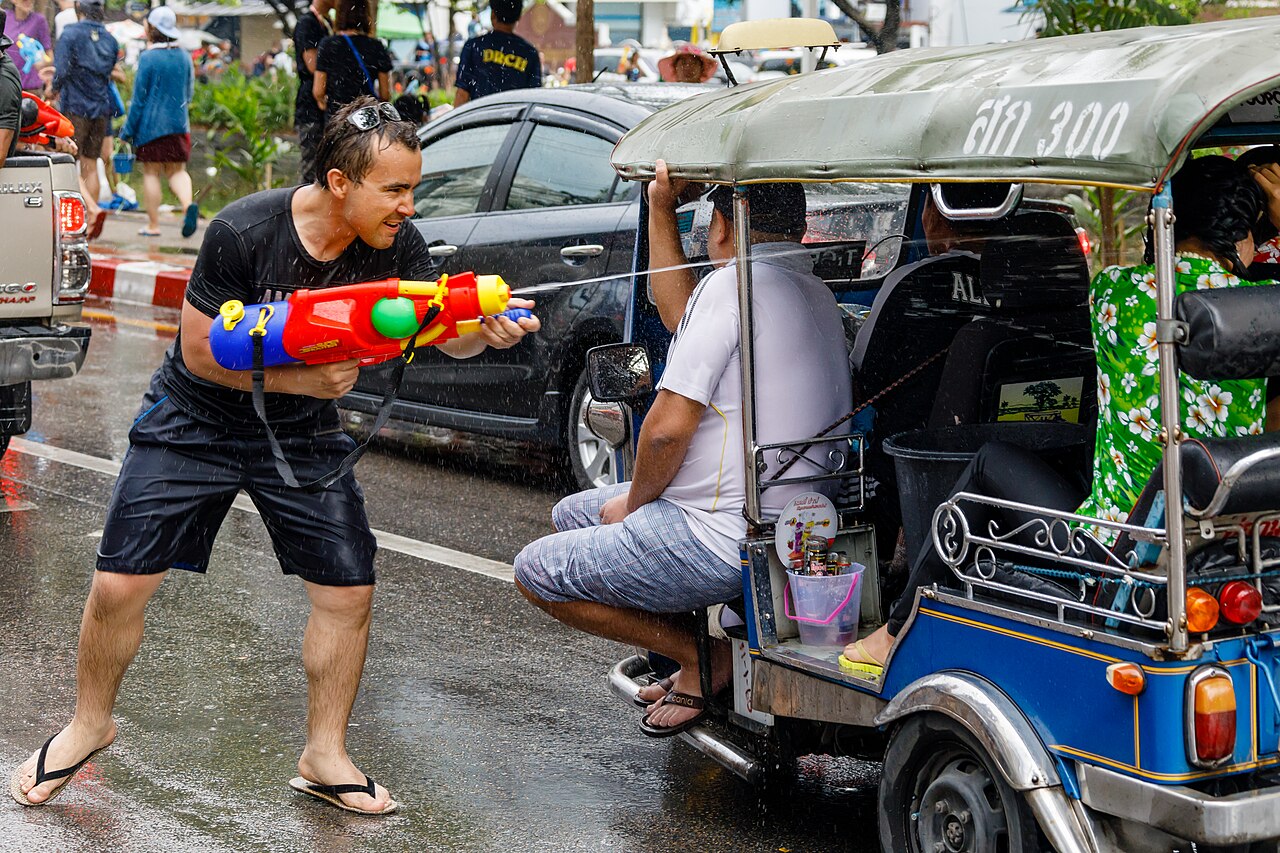

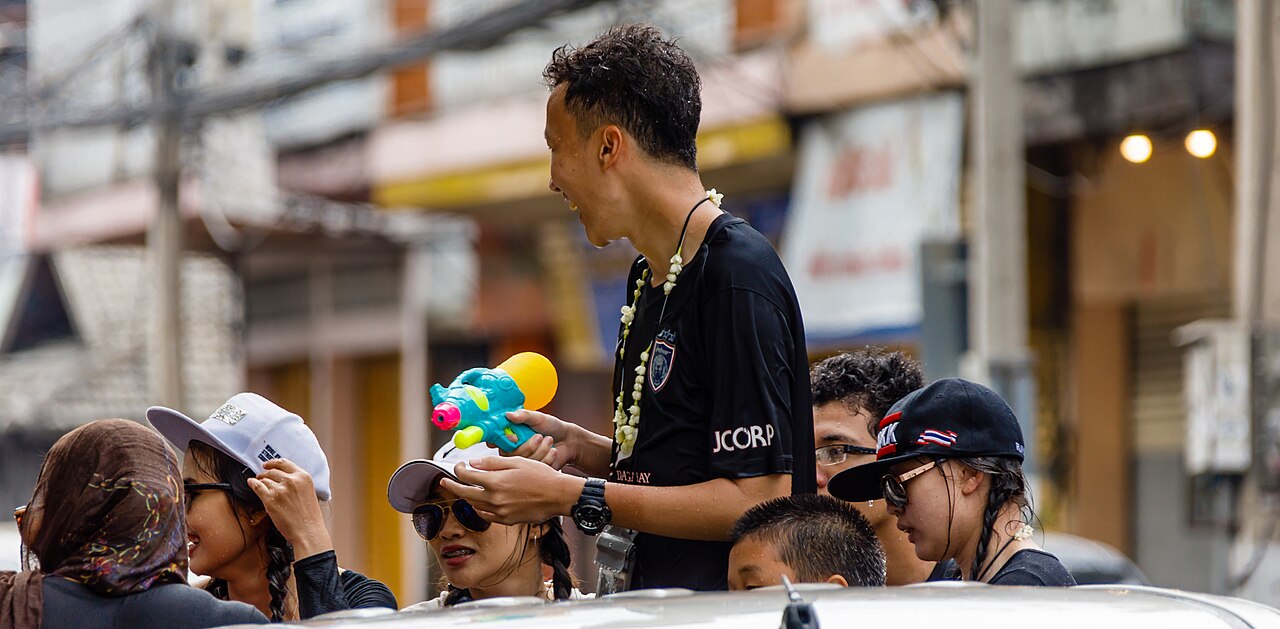
Frequently Asked Questions
What is Songkran (Thailand)?
Songkran is Thailand's national New Year festival, observed every year from 13 to 15 April. It follows the Theravada Buddhist calendar and is the country's most widely recognized annual holiday.
What are Songkran (Thailand)'s signature traditions?
The celebration is best known for its massive water-splashing and street fights, which symbolically wash away the old year's misfortune. Ritual cleansing ceremonies involving elders and sacred water are also central to the observance.
When does Songkran (Thailand) take place?
The festival spans three consecutive days, from 13 to 15 April, marking the turn of the year on the Theravada Buddhist calendar. It aligns with broader New Year celebrations found across South and Southeast Asian cultures.
Why is Songkran (Thailand) important?
It functions as Thailand's primary national holiday and a powerful expression of communal identity, spiritual renewal, and intergenerational respect. The shared water rituals reinforce social bonds and connect Thai culture to a wider regional tradition of New Year observance.
More in Public Holidays & Observances 25-28
Elsewhere in the Public Holidays & Observances universe
Spotted an error? Know more?
This is a living reference — every entry is fact-audited, and reader corrections feed straight into our audit queue. Suggest an edit · See this site's audit record