
Passover
Major Jewish holiday commemorating the Exodus from Egypt.

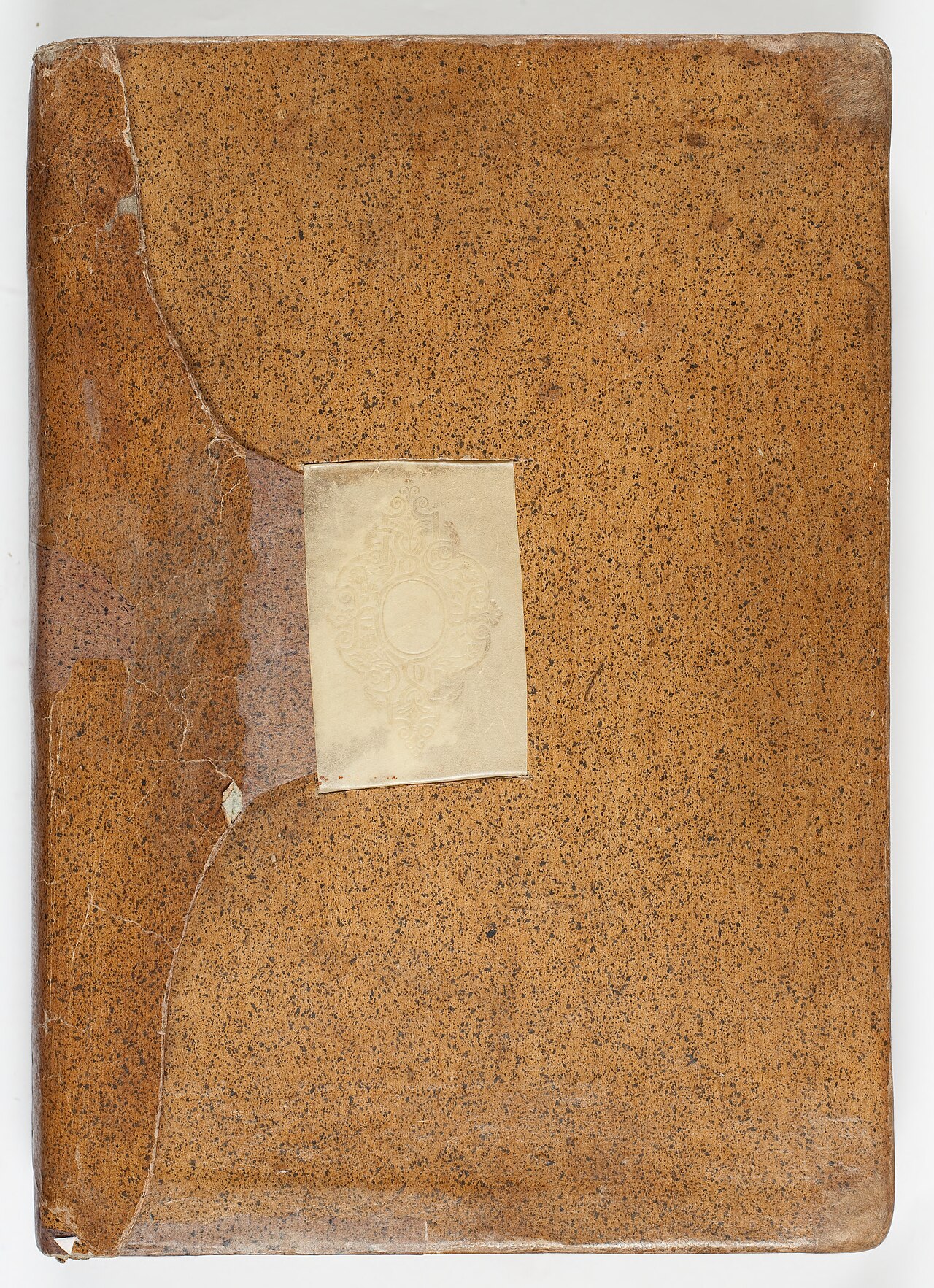
Scribe: Yôsēf ben Dāwīd mil-Leypnîq Yosef ben David, of Leipnik Joseph ben David · Public domain
Passover, also called Pasch or Pesach, is a major Jewish holiday and one of the Three Pilgrimage Festivals. It celebrates the Exodus of the Israelites from slavery in Egypt, as recounted in the Book of Exodus.
- Type
- Major Jewish holiday
- Also known as
- Pasch, Pesach, Peysekh
- Observed by
- Jews
- Begins
- 15th day of the Hebrew month of Nisan
- Duration
- Seven days (Feast of Unleavened Bread)
- Key practice
- Avoiding leavened foods (chametz); eating matzah and maror
- Origin narrative
- Book of Exodus
Lore & Background
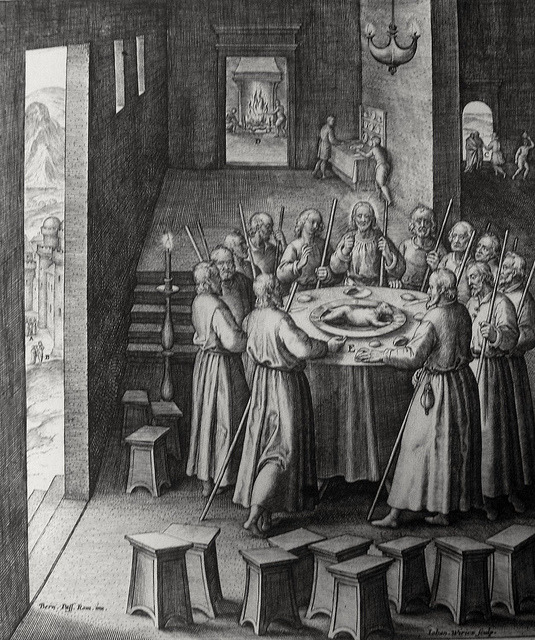
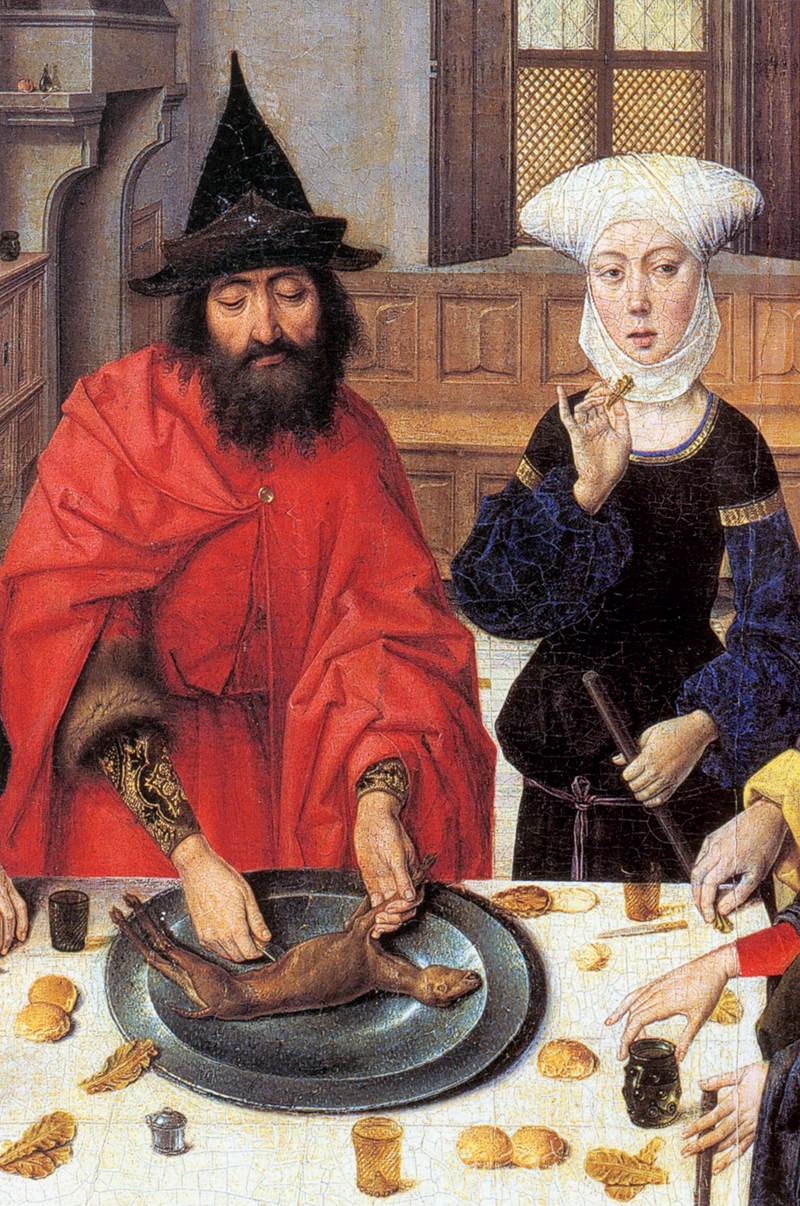
According to the Book of Exodus, God commanded Moses to tell the Israelites to slaughter a lamb and mark their doorframes with its blood. That night, God brought the tenth plague upon Egypt, smiting all firstborn, but passed over the homes of the Israelites. The story is part of the broader Exodus narrative, in which the Israelites, enslaved by Pharaoh, are freed after Pharaoh refuses God's demand and God sends ten plagues. Scholars widely believe that the origins of Passover predate the biblical Exodus, with theories suggesting it evolved from earlier semi-nomadic or pre-Israelite rituals and was later transformed through religious and cultic traditions. The holiday is recounted at the Passover Seder by reading the Magid section of the Haggadah, a standardized ritual book containing the Exodus story. Jews are forbidden from possessing or eating leavened foods (chametz) during the holiday. Passover starts on the 15th day of the Hebrew month of Nisan, which is adjusted to align with the solar calendar so that it always falls on Sunday, Tuesday, Thursday, or Saturday. The Hebrew day starts and ends at sunset, so the holiday begins at sunset the day before.
Reader's Guide
Passover is a foundational Jewish holiday that commemorates the central event of the Exodus, the liberation of the Israelites from slavery in Egypt. Its significance lies in its role as a pilgrimage festival and its annual reenactment through the Seder, where the story is retold using the Haggadah. The holiday's name derives from the biblical account of God 'passing over' the homes of the Israelites during the tenth plague. The observance includes strict prohibitions against leavened foods, symbolizing the haste of the departure from Egypt. Scholars debate the holiday's origins, with many believing it merged an earlier apotropaic ritual—involving the blood of a slaughtered lamb to ward off demons—with a Canaanite agricultural spring festival of unleavened bread connected to the barley harvest. The biblical regulations require the Passover sacrifice (a lamb or goat) to be roasted and eaten with matzah and bitter herbs. Over time, the sacrifice was centralized at the Tabernacle and later in Jerusalem. The holiday's legacy endures as a powerful symbol of freedom and divine intervention, observed by Jews worldwide.
Did You Know?
- The English term 'Passover' first appeared in William Tyndale's translation of the Bible and later in the King James Version.
- The Hebrew verb 'pāsaḥ' is debated; the Septuagint translates it as 'pass over,' while the Targum Onkelos renders it as 'he had pity.'
- Passover is believed by scholars to have formed from the merger of a pastoral apotropaic ritual and an agricultural harvest festival.
- The holiday begins on the 15th of Nisan, which is adjusted so it always falls on Sunday, Tuesday, Thursday, or Saturday.
The Exodus Narrative and the Tenth Plague
The foundational story of Passover centers on the Israelites' enslavement in Egypt under Pharaoh's rule. According to the Book of Exodus, God appeared to Moses in a burning bush and directed him to confront the Pharaoh and demand the release of the enslaved people. When Pharaoh refused, God unleashed a sequence of ten devastating plagues upon Egypt. The final and most catastrophic of these was the death of every firstborn, from Pharaoh's own heir seated on his throne to the child of a slave girl grinding grain, and even the firstborn of livestock. Before this final strike, God instructed Moses to command the Israelites to slaughter a lamb, apply its blood to their doorframes and lintels, and consume the animal that night. When the destroyer passed through Egypt, it would see the blood and spare those households. This act of divine protection—God passing over the marked homes—gave the holiday its name and cemented the liberation narrative as the core of Jewish identity.
Etymology and the Mystery of Pesach
The Hebrew word pesach has generated considerable scholarly debate about its precise semantic range. The most familiar interpretation—that it means "He passed over," referencing God skipping the Israelite homes during the final plague—derives from the Septuagint's Greek rendering of Exodus 12:23. However, the Targum Onkelos, an Aramaic translation rooted in Jewish Babylonian tradition, renders the term as "he had pity," drawing from a Hebrew root meaning to show compassion. Cognate languages add further interpretive layers: Akkadian passahu conveys "make soft, soothe, placate," while Arabic fsh means "separate." The English word "Passover" first appears in William Tyndale's Bible translation and was carried forward into the King James Version as a straightforward rendering of the Hebrew. The verb pāsaḥ is first encountered in the Torah's Exodus account, and its exact meaning continues to be discussed among linguists and biblical scholars.
Pre-Biblical Roots and Scholarly Theories
Modern scholars widely hold that Passover's origins stretch well before the biblical Exodus narrative. The prevailing hypothesis proposes that the holiday emerged from the convergence of two distinct ancient practices in the Land of Israel: a pastoral apotropaic ritual and a spring agricultural festival. The apotropaic component involved a clan-internal rite in which the blood of a slaughtered sheep was daubed with ezov onto lintels and doorposts to ward off demonic forces from the household. Separately, a Canaanite spring ceremony celebrated the barley harvest through the consumption of unleavened bread. Once the Priestly Code was established, the Exodus story was woven into this combined observance, gradually obscuring the original dual symbolism. Some scholars note parallels with the Akitu spring festival of ancient Mesopotamia, which also honored barley sowing. However, scholars John Van Seters, Judah Segal, and Tamara Prošić challenge the two-festivals merger hypothesis, arguing for alternative explanations of Passover's development.
Ritual Observance, the Seder, and Calendar Timing
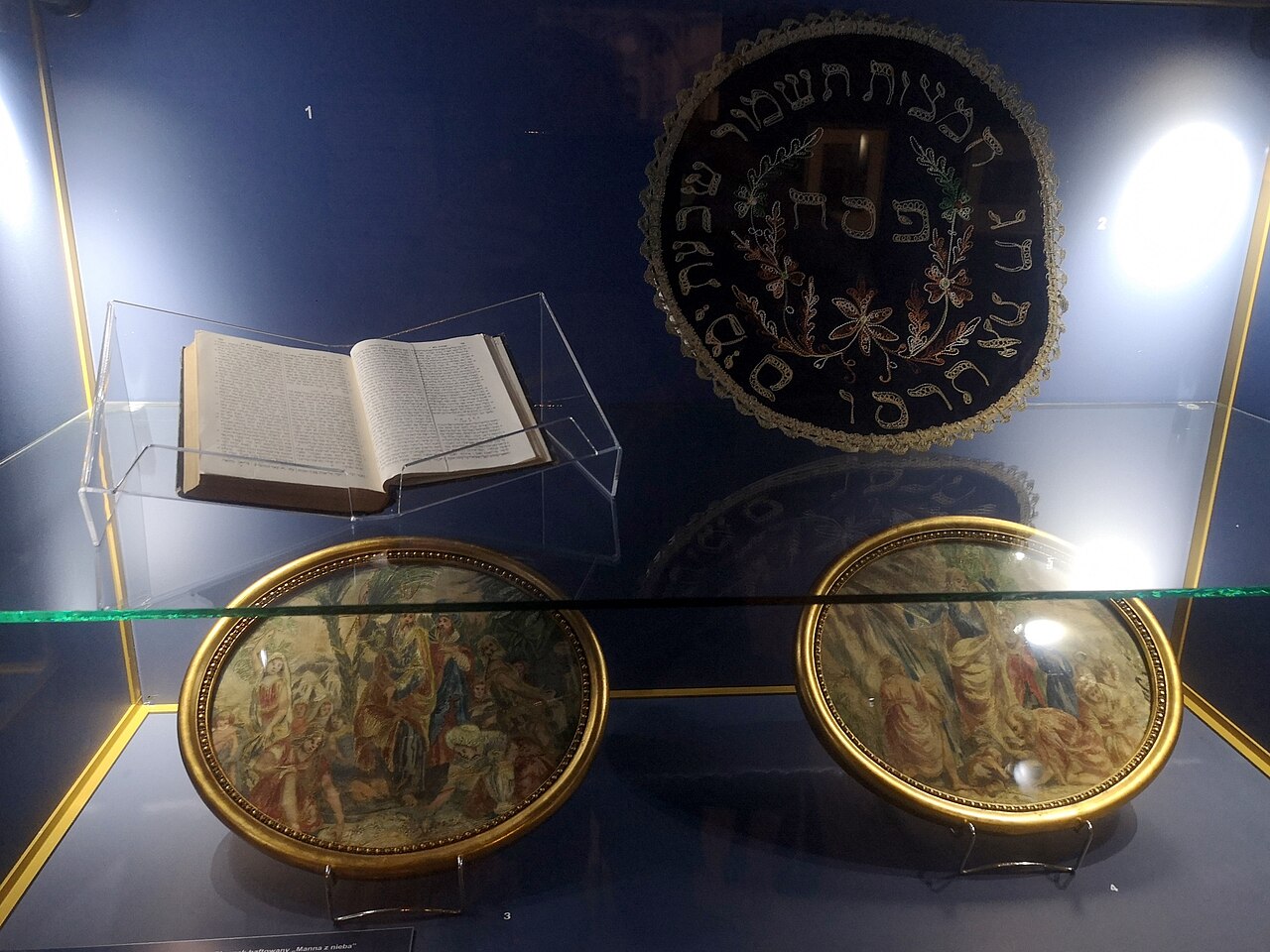
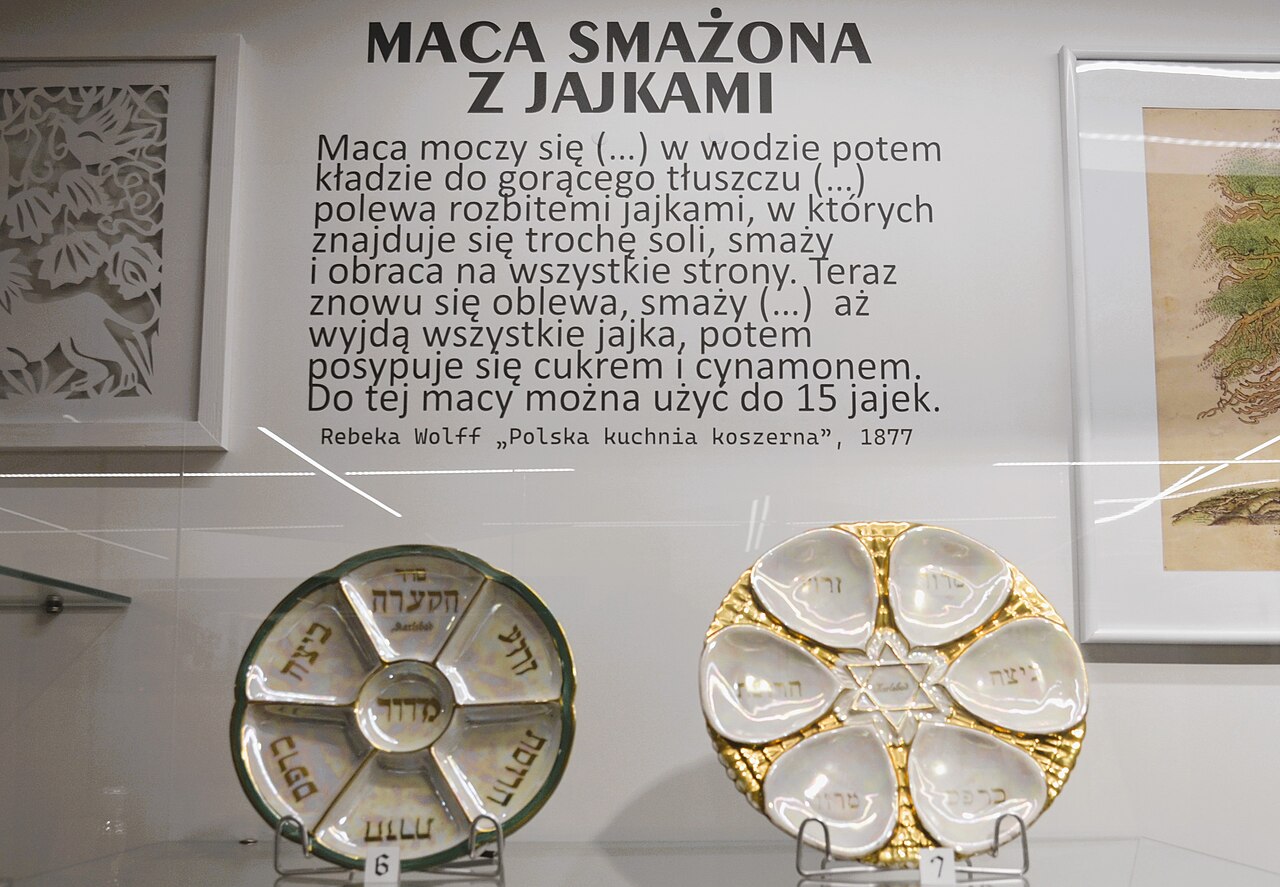
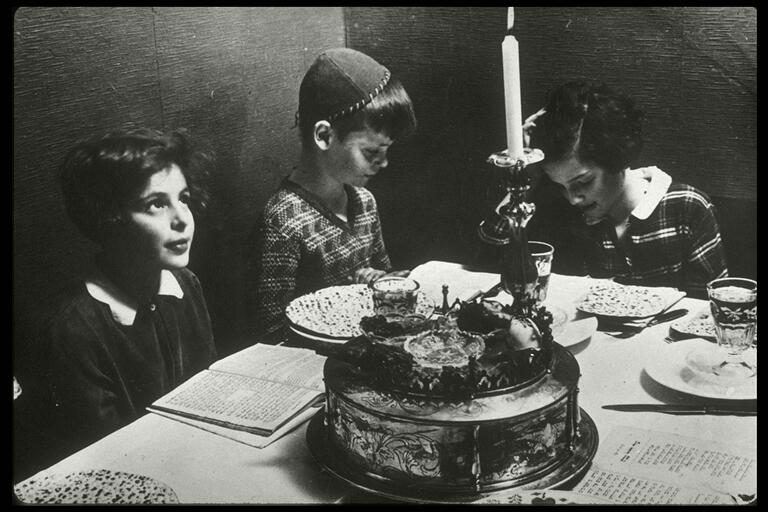
Passover begins on the 15th of Nisan, the first month of the Hebrew year, and is classified among the Three Pilgrimage Festivals. Because the Hebrew day begins at sunset, the holiday technically commences at sundown the evening before the calendar date. The Jewish calendar is adjusted to align with the solar cycle so that 15 Nisan always falls on a Sunday, Tuesday, Thursday, or Saturday; for instance, in 2027 it coincides with Thursday, April 22, meaning the holiday begins at sundown on Wednesday, April 21. The central ritual gathering is the Passover Seder, guided by the Haggadah, a standardized liturgical text. Its Magid section narrates the Exodus in fulfillment of the biblical command to tell one's child, "It is because of that which the LORD did for me when I came forth out of Egypt." During the holiday, Jews are prohibited from possessing or consuming leavened foods, known as chametz. The original observance also required setting aside an unblemished lamb four days before the Exodus, inspecting it daily, slaughtering it on the 14th of Nisan, and eating it before midnight on the 15th.
Gallery
Frequently Asked Questions
Who is Passover?
Passover, also called Pesach or Pasch, is a major Jewish holiday observed by Jews around the world. It commemorates the Exodus, the liberation of the Israelites from slavery in Egypt as described in the Book of Exodus.
What are Passover's powers/role?
Its central observances include abstaining from leavened foods (chametz) and eating matzah together with bitter herbs (maror). It is classified as one of the Three Pilgrimage Festivals in the Jewish liturgical calendar.
How does Passover's story end?
The narrative concludes with the Israelites' successful departure from Egypt, marking their shift from enslaved people to a free nation. The holiday itself spans seven days, a period known as the Feast of Unleavened Bread.
Why is Passover important?
It anchors the collective memory of Jewish liberation and identity, making it one of the most significant events in the faith's history. As a Pilgrimage Festival, it historically called Jews to journey to the Temple in Jerusalem for communal celebration.
When does Passover begin and how long does it last?
Passover starts on the 15th day of the Hebrew month of Nisan. The full observance lasts seven days, encompassing the Feast of Unleavened Bread.
More in Public Holidays & Observances 1-24
Elsewhere in the Public Holidays & Observances universe
Spotted an error? Know more?
This is a living reference — every entry is fact-audited, and reader corrections feed straight into our audit queue. Suggest an edit · See this site's audit record