
Sukkot
A seven-day Jewish harvest and Exodus commemoration festival.
Sukkot, called the Feast of Tabernacles or Feast of Booths, is a Jewish holiday commanded in the Torah. It lasts seven days, starting on the 15th of Tishrei, and is one of the Three Pilgrimage Festivals when Israelites were required to travel to the Temple in Jerusalem. In the Bible, it serves as both an autumn harvest celebration and a reminder of the Exodus from Egypt. Today, the holiday is marked by eating meals in a sukkah—a temporary hut with a wood-and-plant covering—and by taking up the four species.
The Torah gives the holiday two names: "Festival of Ingathering" (or "Harvest Festival") and "Festival of Booths." These reflect its dual meaning. In the Book of Exodus, the focus is agricultural—"Festival of Ingathering at the year's end"—signaling the end of the harvest and the agricultural year in the Land of Israel. In Leviticus, the religious significance is added: commemorating the Exodus and the Israelites' reliance on God's will.
Hospitality is central to the celebration. Actual and symbolic guests (called *ushpizin* in Aramaic) are invited into the sukkah. According to the Zohar, seven "forefathers" of the Jewish people are welcomed over the seven days, in this order: Abraham, Isaac, Jacob, Moses, Aaron, Joseph, and David.
The holiday spans seven days. The first day (and second day outside Israel) is a Shabbat-like holiday when work is forbidden. The intermediate days, known as Chol HaMoed, allow certain work. The festival ends with another Shabbat-like holiday, Shemini Atzeret (one day in Israel, two in the diaspora, where the second day is Simchat Torah).
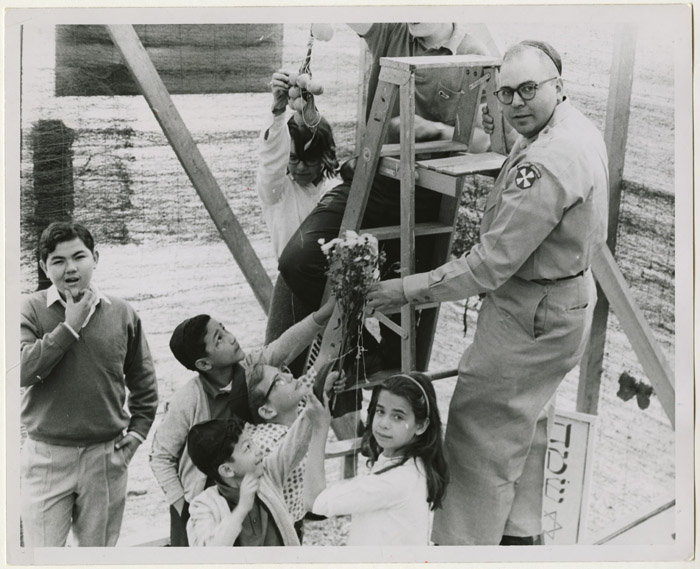
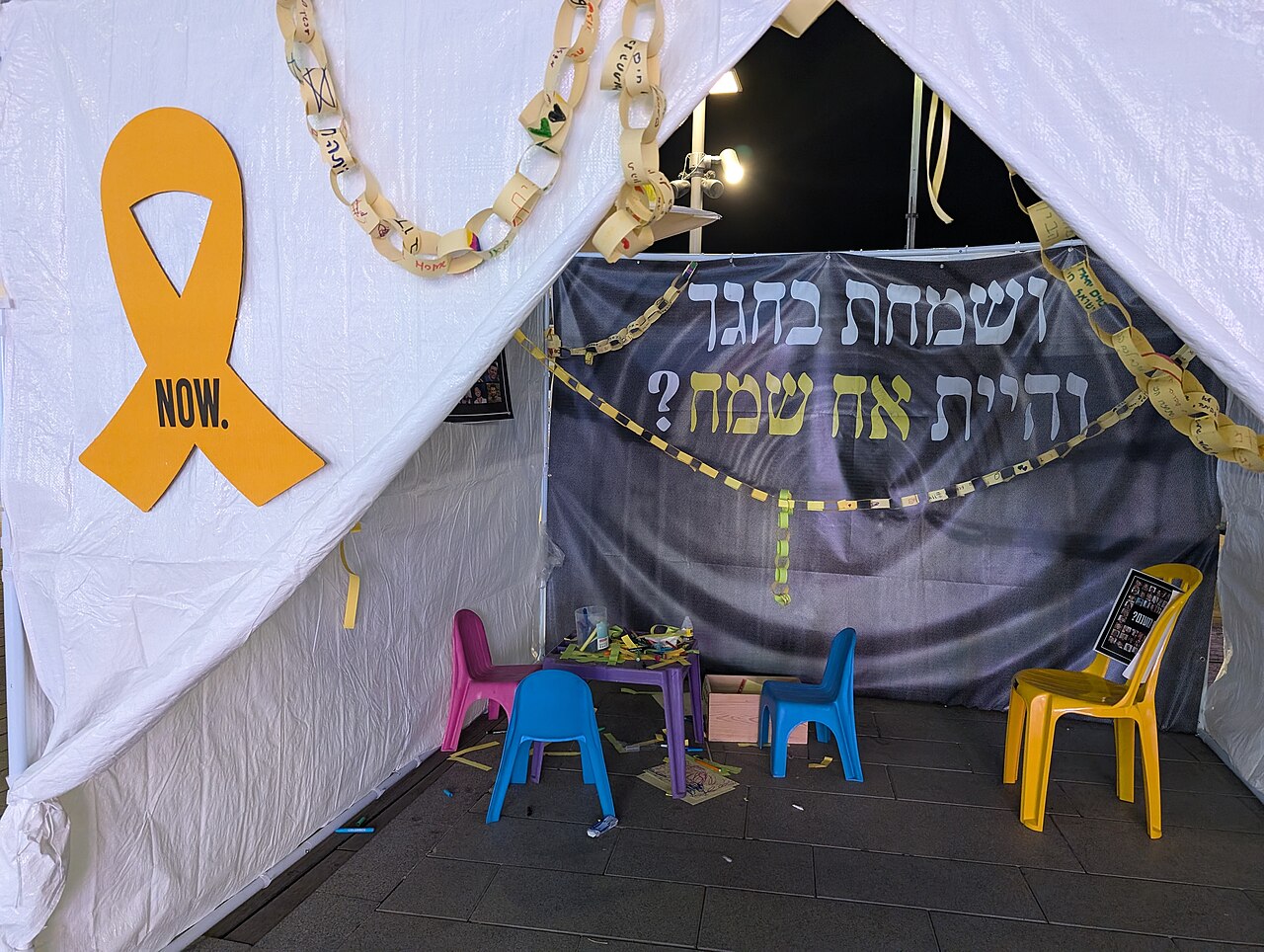
The word *Sukkot* is the plural of *sukkah* (booth or tabernacle), a walled structure covered with *s'chach*—plant material like overgrowth or palm leaves. Farmers once lived in such huts during harvest, reinforcing the holiday's agricultural roots from Exodus. Leviticus says the sukkah also recalls the fragile dwellings the Israelites used during their 40 years in the desert after the Exodus. During Sukkot, meals are eaten in the sukkah, and many people sleep there.
Each day, it is a mitzvah to "dwell" in the sukkah and to perform a shaking ceremony with a lulav (a palm frond bound with myrtle and willow) and an etrog (a citron fruit)—together called the four species. The fragile shelter, the three-item lulav, the etrog, the revived Simchat Beit HaShoeivah celebration's focus on water and rain, and the harvest festival roots all highlight human dependence on the natural environment.
**Origins** The traditional origin of the holiday goes back to the Israelites' time in the desert, when they were told to commemorate God's protection and the future harvest in the land of Israel by building huts and taking the four species. Sukkot also shares similarities with older Canaanite new-year and harvest festivals, which included a seven-day celebration with sacrifices and "dwellings of branches," as well as processions with branches. The earliest biblical references (in Exodus and Deuteronomy) do not mention Sukkot by name, instead calling it "the festival of ingathering (*hag ha'asif*) at the end of the year, when you gather in the results of your work from the field"—suggesting an agricultural origin. (The Hebrew term *asif* also appears in the Gezer calendar as a two-month period in autumn.)
The booth aspect may come from shelters built in fields by harvesters, or from booths used by pilgrims staying at cultic sanctuaries during festivities. Leviticus 23 mentions taking various branches (and a fruit), a practice typical of ancient agricultural festivals, which often included branch processions. Later, the festival was historicized by linking it symbolically to the desert sojourn of the Exodus. The Exodus narratives do not describe the Israelites building booths, but they indicate that most of the trek was spent encamped at oases, and "sukkot" roofed with palm branches were a common, convenient form of housing at such Sinai desert oases.
**Laws and customs** Sukkot is a seven-day festival. Inside the Land of Israel, the first day is a full festival with special prayers and holiday meals. Outside Israel, the first two days are full festivals. The seventh day is called Hoshana Rabbah ("Great Hoshana"), referring to the tradition of walking around the synagogue sanctuary during morning services, and has its own special observance. The intermediate days are Chol HaMoed ("festival weekdays"). According to Halakha, some work is forbidden during Chol HaMoed. In Israel, many businesses close during this time. Throughout the week, meals are eaten in the sukkah. If a brit milah (circumcision ceremony) occurs during Sukkot, it is held in the sukkah.
- Also known as
- Feast of Tabernacles, Feast of Booths
- Duration
- Seven days
- Start date
- 15th day of Tishrei
- Biblical names
- Festival of Ingathering, Festival of Booths
- Key observances
- Dwelling in sukkah, taking four species
Lore & Background
The holiday has dual significance: agricultural, as the 'Festival of Ingathering at the year's end' (Exodus 34:22), and religious, commemorating the Exodus and dependence on God (Leviticus 23:42–43). The sukkah, a temporary dwelling covered with plant material, recalls both the huts used during harvest and the fragile dwellings of the Israelites during 40 years in the desert. The four species—lulav (palm frond bound with myrtle and willow) and etrog (citron)—are taken daily except on Shabbat, with a shaking ceremony in four directions and up and down.
Reader's Guide
Sukkot's significance lies in its dual role as a harvest festival and a historical commemoration of the Exodus. The holiday emphasizes dependence on the natural environment through the fragile sukkah and the four species, which draw attention to rainfall and agricultural cycles. The tradition of welcoming guests (ushpizin) is intrinsic, with seven forefathers—Abraham, Isaac, Jacob, Moses, Aaron, Joseph, David—invited each day according to the Zohar. The holiday also includes special Temple offerings, with 70 bulls sacrificed over the seven days, each bull representing one of the nations.
Did You Know?
- The first day (and second in the diaspora) is a Shabbat-like holiday when work is forbidden.
- The sukkah must have at least three walls and a roof of organic material called s'chach.
- The four species are identified by the Talmud as a citron, palm branch, two willow branches, and three myrtle branches.
- The seventh day of Sukkot is called Hoshana Rabbah, with a special synagogue observance.
A Dual Heritage: Harvest and Exodus
Sukkot carries a remarkable double identity rooted in two distinct Torah passages. In Exodus, the holiday appears as the "Festival of Ingathering," marking the close of the harvest and the end of the agricultural year in the Land of Israel. The earliest biblical references describe it purely in agrarian terms—gathering the results of one's labor from the field—without any mention of booths or the Exodus narrative. The Hebrew word asif even appears in the Gezer calendar as a two-month autumn period, underscoring how deeply the holiday was woven into the rhythm of farming. The more elaborate religious layer emerges in Leviticus 23:42–43, where the festival is reframed as a remembrance of the Exodus and a meditation on the Israelites' dependence on God's will. This later historicization connected the holiday to the fragile shelters the Israelites inhabited while encamped at Sinai oases, where palm-branch roofs were a common form of housing. Parallels with older Canaanite harvest celebrations—seven-day observances, sacrificial rites, processions with branches—suggest Sukkot grew out of a pre-Israelite agricultural tradition before being imbued with its distinctly Jewish theological meaning.
The Sukkah: A Temporary Home with Deep Roots
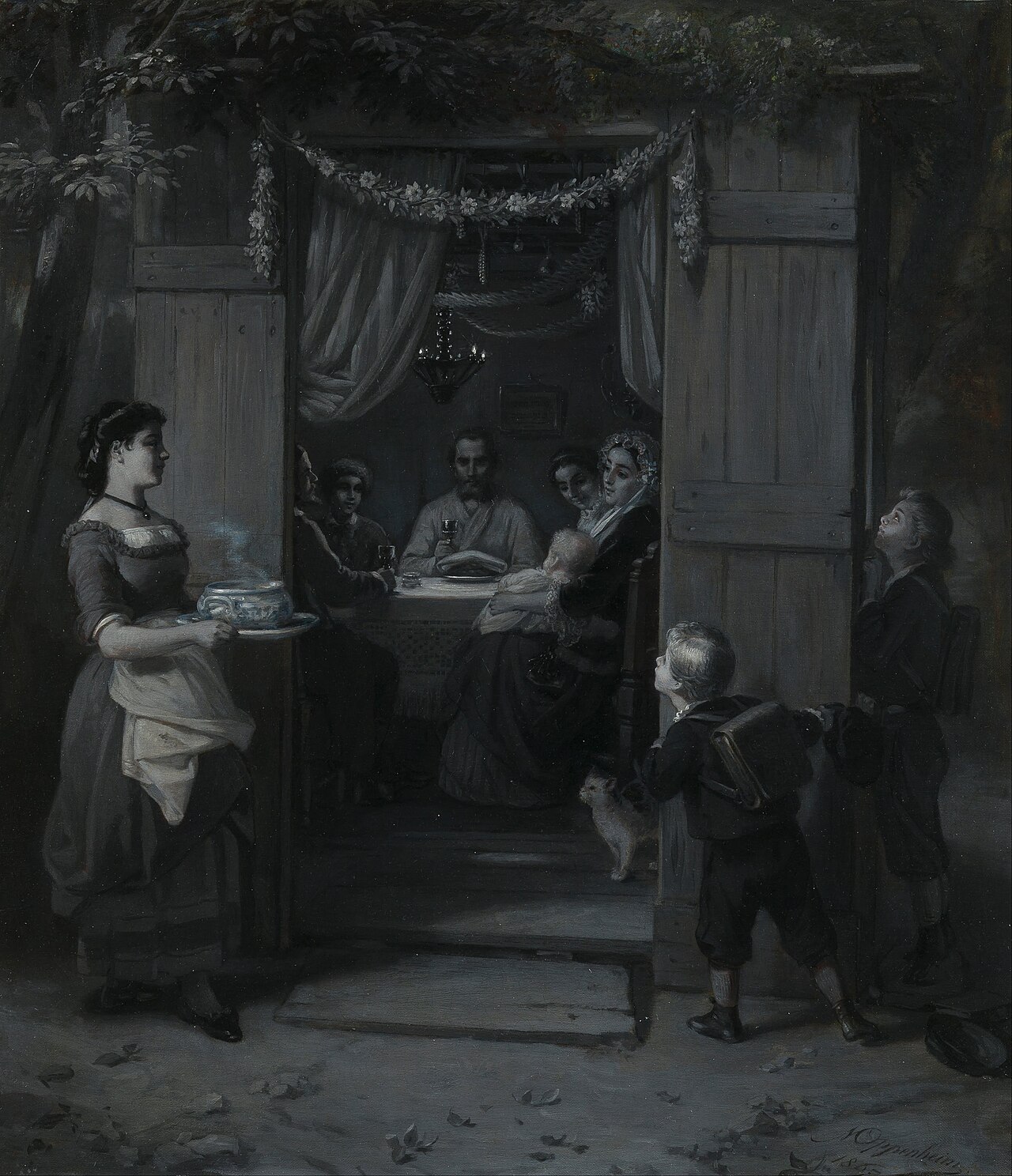
The Hebrew word sukkoṯ is the plural of sukkah, a walled structure whose roof is covered with s'chach—plant material such as overgrowth or palm leaves. The name evokes the temporary dwellings farmers inhabited in the fields during harvest, reinforcing the holiday's agricultural origins in Exodus. Leviticus, meanwhile, frames the sukkah as a reminder of the fragile shelters in which the Israelites lived during their forty years of desert travel after leaving Egypt. In practice, the sukkah becomes the center of daily life throughout the seven-day festival. Meals are eaten inside it, and males are expected to sleep there, provided the weather is tolerable. Even significant life events are relocated to the sukkah: a circumcision ceremony, a Bar Mitzvah, or the Shalom Zachar greeting for a newborn boy all take place within its walls. If rain falls, the obligation to eat and sleep in the sukkah is waived, though on the first night every effort must be made to recite kiddush over wine and consume at least an egg-sized piece of bread before retreating indoors. The booths themselves may have originated as field shelters for harvest workers or as temporary lodgings for pilgrims at cultic sanctuaries.
The Four Species and the Language of Dependence
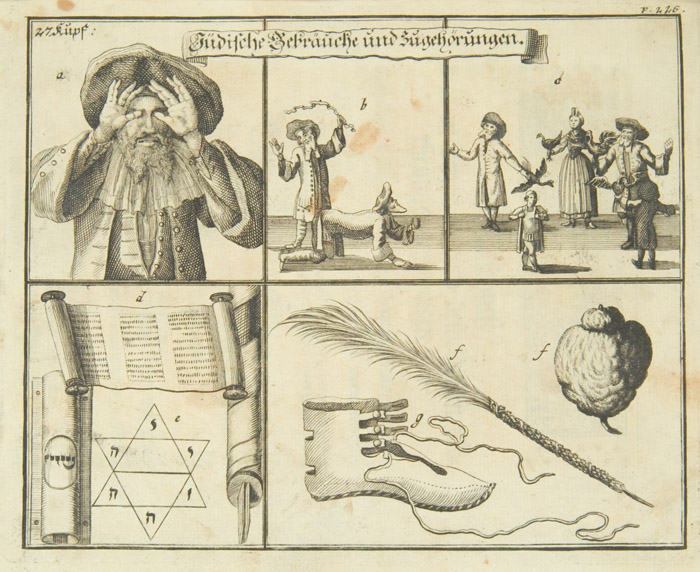
Each day of Sukkot carries a mitzvah to "dwell" in the sukkah and to perform a shaking ceremony with the four species: a lulav, a palm frond bound with myrtle and willow, and an etrog, the fruit of a citron tree. A blessing is recited over the lulav every day except the Sabbath. The act of gathering these natural elements and waving them is a physical expression of gratitude and vulnerability before the forces of nature. This ritual sits within a broader web of symbols pointing toward human dependence on the natural environment. The fragile, open-air shelter of the sukkah reminds participants that their dwelling is temporary and exposed. The four species are products of the earth—wood, leaf, and fruit. The revived Simchat Beit HaShoeivah celebration, focused on water and rainfall, underscores the community's reliance on rain for survival. The holiday's harvest roots, described in Leviticus 23:40 as the taking of various branches and a fruit, echo ancient agricultural festivals that frequently featured processions with branches. Together, these layers create a week-long meditation on human vulnerability before the forces that sustain life.
Seven Days, Seven Guests: Structure and Hospitality
Sukkot unfolds over seven days beginning on the 15th of Tishrei. The first day—and the second in the diaspora—is a Shabbat-like holiday on which work is forbidden. The intermediate days, called Chol HaMoed, permit certain types of labor; in Israel many businesses close during this period. The seventh day, Hoshana Rabbah, carries its own special observance: worshippers walk around the perimeter of the sanctuary during morning services. The festival is sealed by Shemini Atzeret, a Shabbat-like day in Israel and two days in the diaspora, the second being Simchat Torah. Woven through all seven days is an intrinsic theme of hospitality. The Torah's description treats the welcoming of guests as central to the celebration. According to the Zohar, seven forefathers of the Jewish people are invited as symbolic guests, one per day: Abraham, Isaac, Jacob, Moses, Aaron, Joseph, and David. These ushpizin are welcomed by visiting the sukkah, transforming the temporary shelter into a space of communal warmth and ancestral memory. As one of the Three Pilgrimage Festivals, Sukkot also carries the commandment to journey to the Temple in Jerusalem, linking the intimate act of hosting a guest to the grandest form of collective devotion.
Gallery

Frequently Asked Questions
What is Sukkot?
Sukkot is a seven-day Jewish holiday commanded in the Torah, observed as both an autumn harvest celebration and a remembrance of the Exodus from Egypt. It begins on the 15th of Tishrei and ranks among the three pilgrimage festivals tied to the Temple in Jerusalem.
How long does Sukkot last and when does it start?
The festival runs for seven days, kicking off on the 15th day of the Hebrew month of Tishrei. This timing places it squarely in the autumn season.
What do people actually do during Sukkot?
The two signature practices are dwelling in a sukkah—a temporary hut with a wood-covered roof—and waving the four species. Festive meals are traditionally eaten inside the sukkah throughout the week.
Why is Sukkot important in Jewish tradition?
It is a Torah-mandated holiday that honors both the autumn harvest and the period when the Israelites lived in temporary shelters after leaving Egypt. Historically, it was one of the three pilgrimage festivals requiring a trip to the Temple in Jerusalem.
What other names does Sukkot go by?
It is widely known as the Feast of Tabernacles or the Feast of Booths. In the Torah itself, it also carries the titles Festival of Ingathering and Festival of Booths.
More in Public Holidays & Observances 1-24
Spotted an error? Know more?
This is a living reference — every entry is fact-audited, and reader corrections feed straight into our audit queue. Suggest an edit · See this site's audit record