Oktoberfest

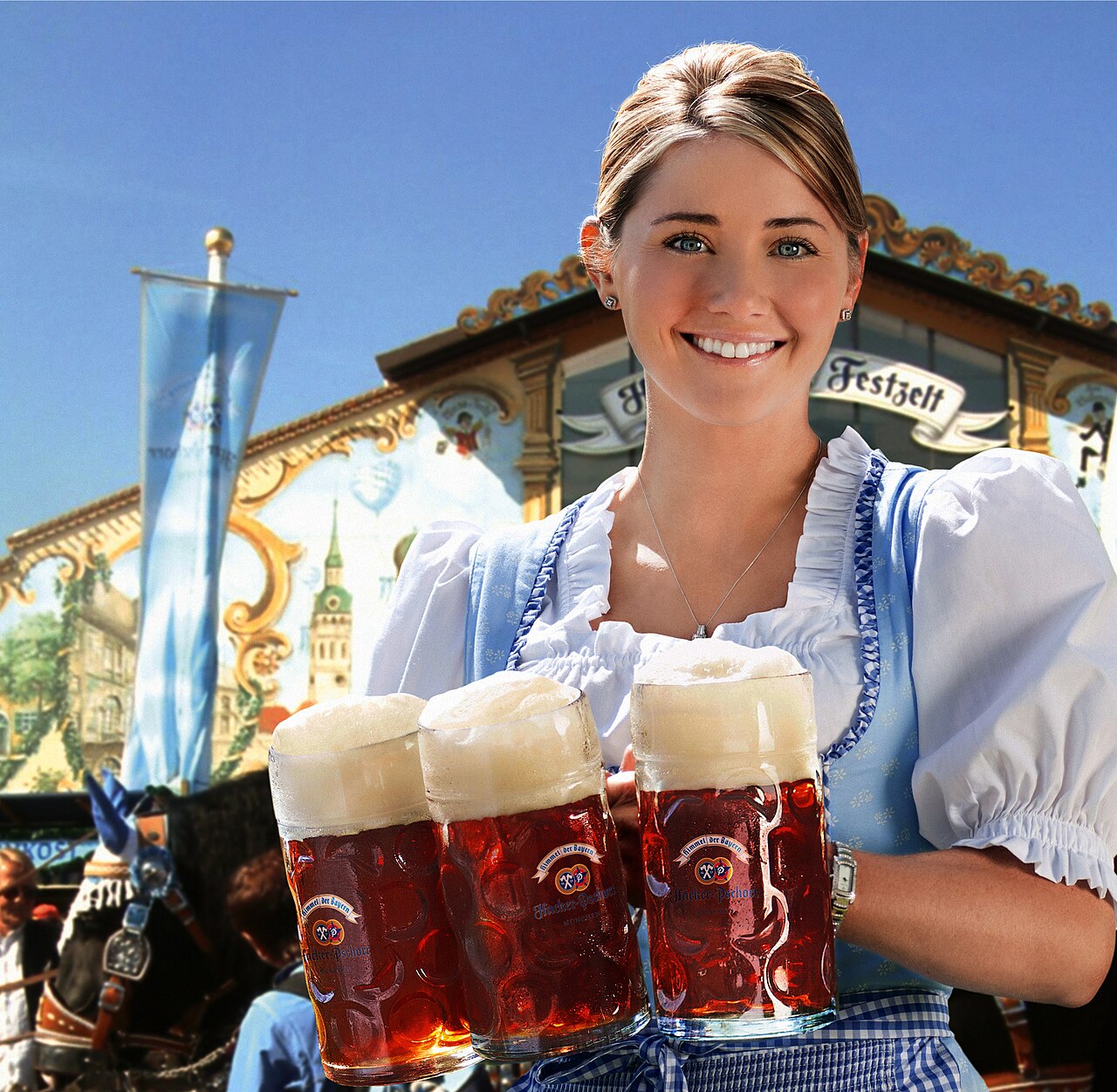
File:Hacker-Pschorr Oktoberfest Girl.jpg by Markburger83 Derivative work: Lauro · CC BY-SA 3.0
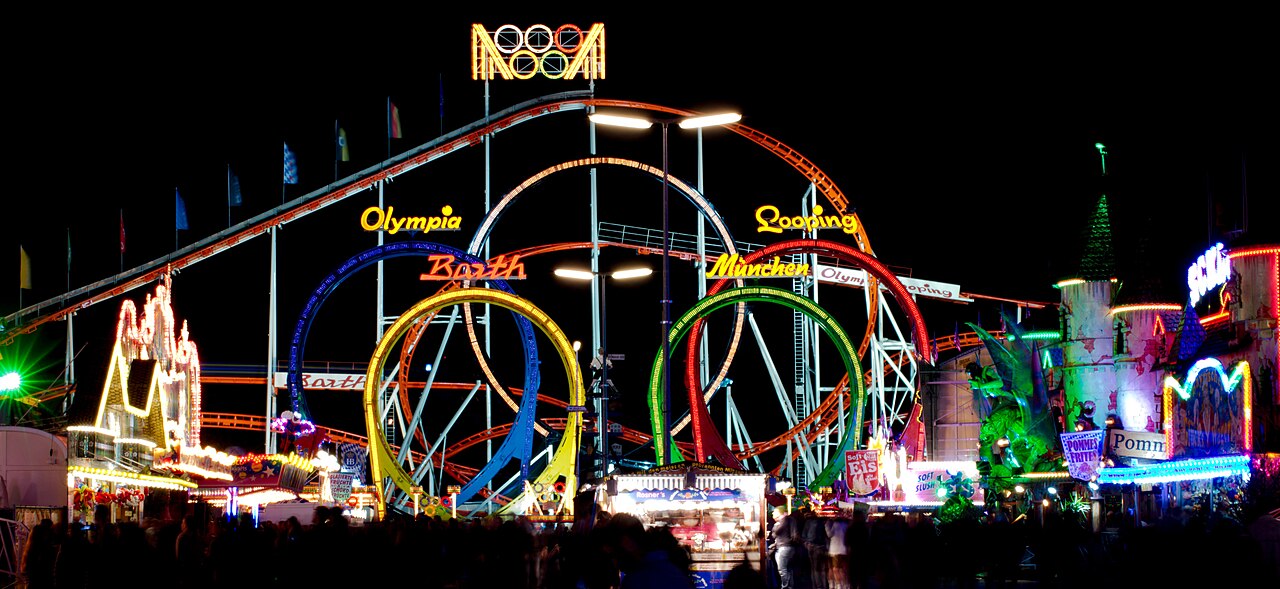
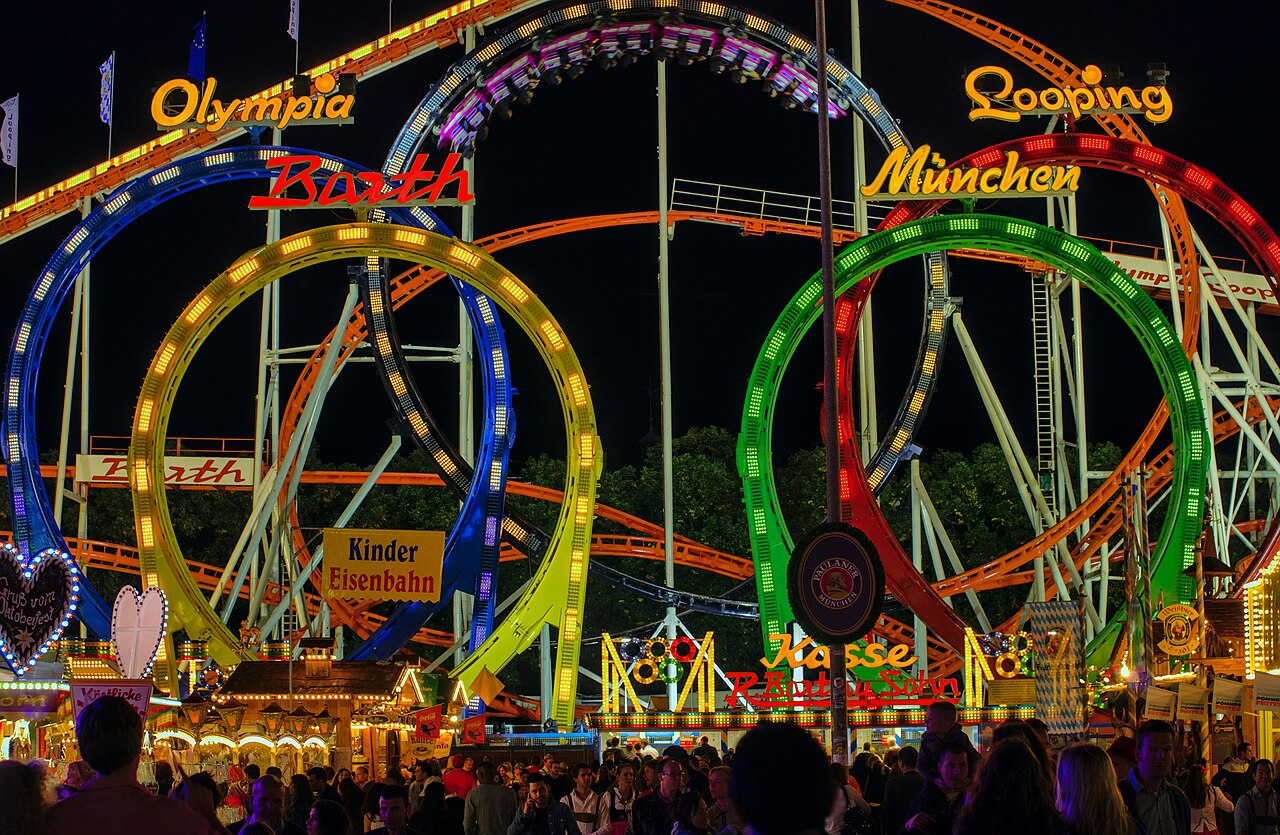
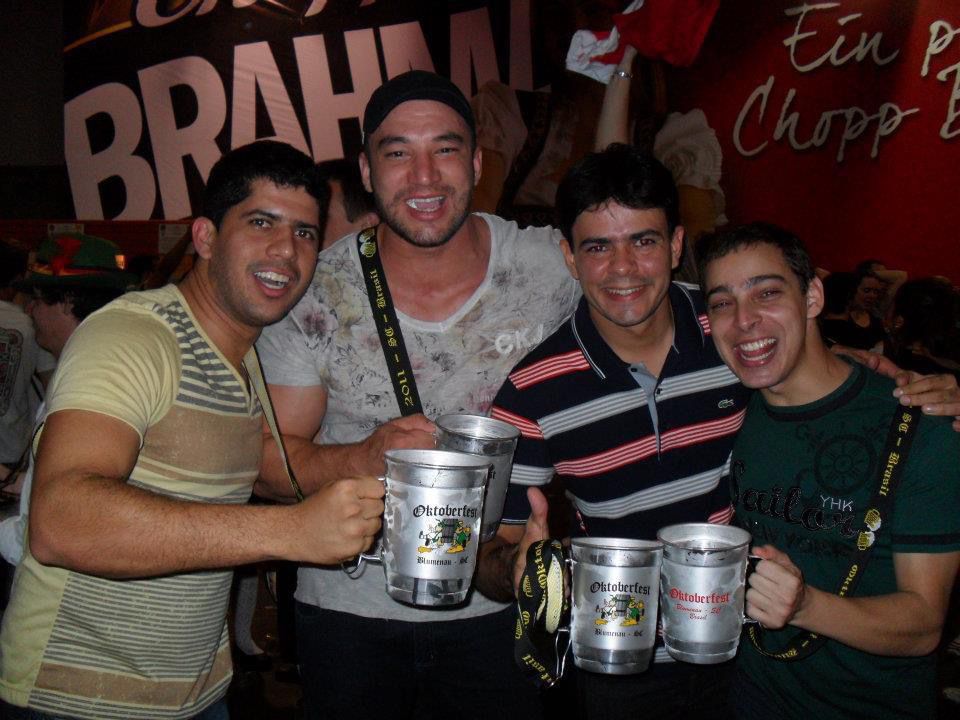
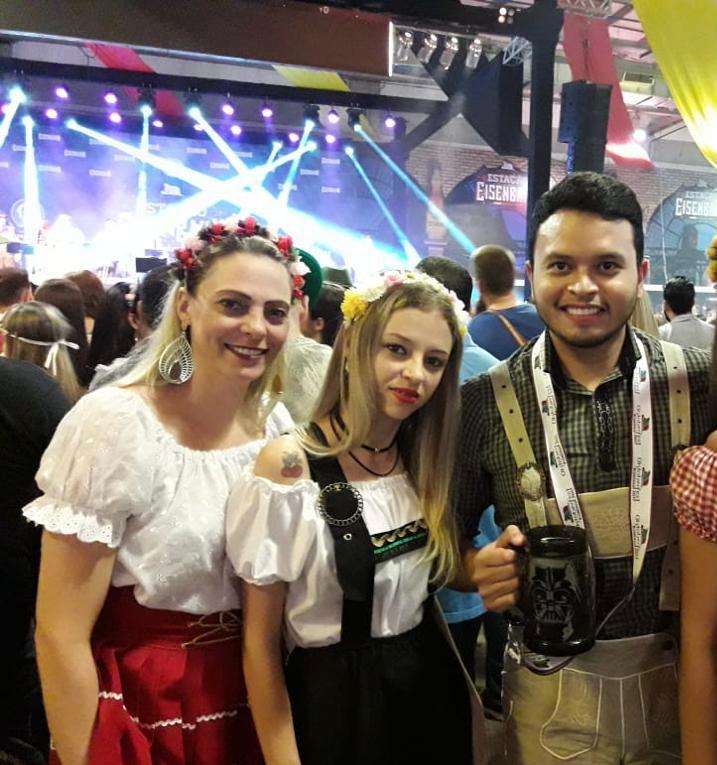
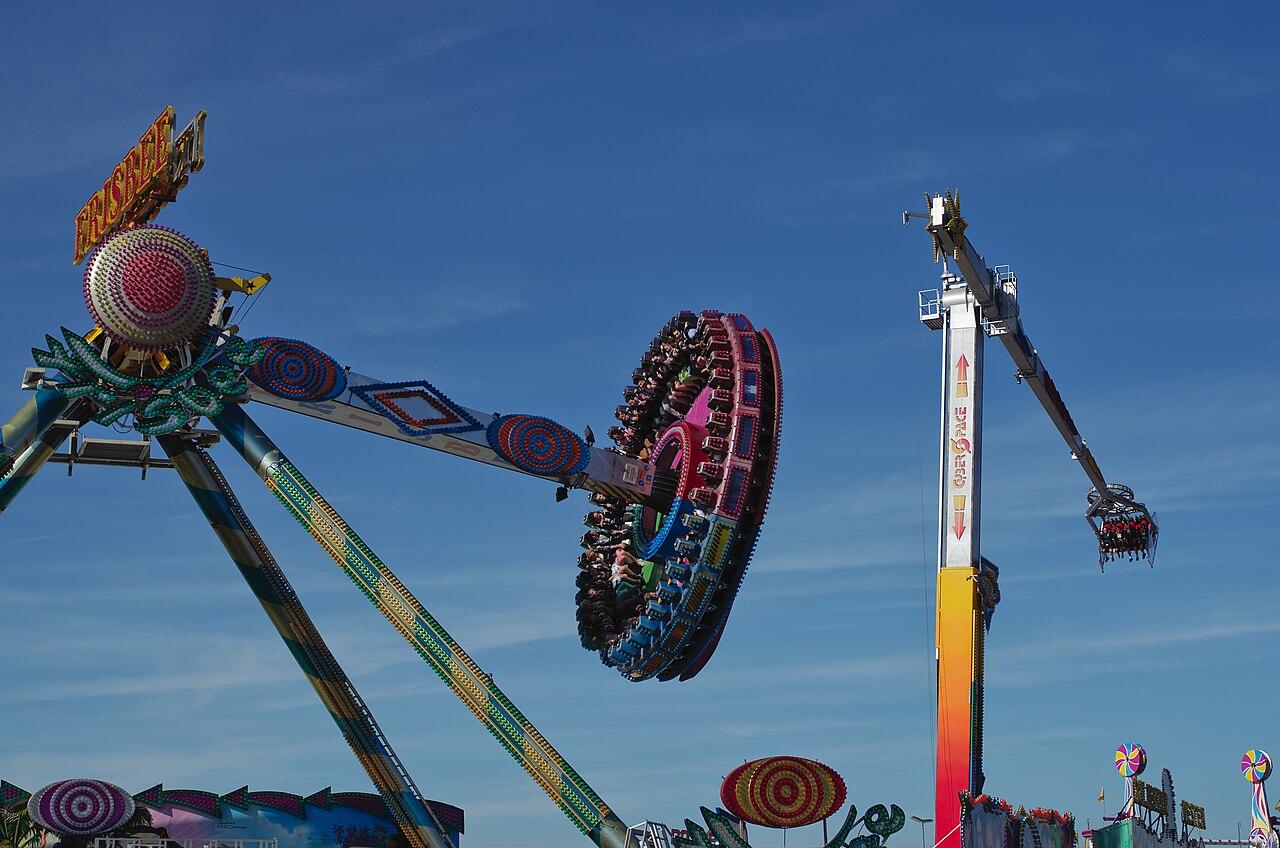
Oktoberfest is the world's largest Volksfest, combining a beer festival with a fun fair, held annually in Munich on the Theresienwiese from mid-September to the first Sunday in October. The festival features amusement rides, games, food stalls, and traditional Bavarian dishes.
- location
- Munich, Germany (Theresienwiese)
- beer_consumed_2023
- ~7.4 million litres
- duration
- 16 days (mid-September to first Sunday in October)
- known_for
- World's largest Volksfest, beer festival, and fun fair
Lore & Background
Munich officials invited the public to celebrate on fields outside the city walls, and the site was named Theresienwiese the following year. The first festival featured a horse race modelled on the medieval Scharlachrennen, proposed by Major Andreas Michael Dall'Armi, though coachman Franz Baumgartner later claimed credit. Baumgartner's horse won, and he received a gold medal from Minister of State Maximilian von Montgelas. The opening was moved into late September to take advantage of warmer evenings.
Reader's Guide
Oktoberfest's significance lies in its status as the world's largest Volksfest, a cultural institution that has shaped Bavarian identity and global perceptions of German festival culture. The festival's traditions—such as the opening keg tapping, the costume and marksmen parade, and the exclusive serving of Munich-brewed beer—have become iconic. Despite interruptions for wars, epidemics, and terrorism, Oktoberfest has endured for over two centuries, maintaining its core elements of beer, food, rides, and community celebration.
Did You Know?
- The unofficial sport of Oktoberfest is Masskrugstemmen, in which competitors hold a filled one-liter mug with an outstretched arm for as long as they can.
Roots in Survival and Gratitude
The earliest recorded Thanksgiving observance on the North American continent traces back to 1579, when explorer Martin Frobisher's fleet of fifteen vessels limped into Newfoundland after a failed attempt to find the Northwest Passage. His third voyage had aimed at establishing a small settlement near Frobisher Bay on what is now Baffin Island in Nunavut, but ice destroyed one ship and scattered the rest through freak storms. When the survivors regrouped, a clergyman named Mayster Wolfall delivered a sermon urging the crew to give thanks for their strange and miraculous deliverance, followed by a celebration of Holy Communion. Historians note, however, that Spanish missionaries had performed similar services in Spanish North America decades earlier, complicating any claim of primacy. Decades later, French settlers who arrived with Samuel de Champlain beginning in 1604 organized their own feasts of gratitude through a group called the Order of Good Cheer. Though some accounts suggest local Indigenous peoples may have joined these gatherings, that detail remains apocryphal and likely conflated with the well-known American Thanksgiving narrative.
From Variable Observance to National Statute
For much of its early history, Canadian Thanksgiving lacked a fixed calendar date. After the holiday was first made official on November 6, 1879, the specific day shifted from year to year, though the second Monday in October became the most common choice. The two Canadas even celebrated on entirely different days; in 1816, Lower Canada marked the occasion on May 21 while Upper Canada waited until June 18, coinciding with Waterloo Day. By 1838, Lower Canada repurposed the day to honour the end of its rebellion, and after the two provinces merged into a single Province of Canada, Thanksgiving was observed six times between 1850 and 1865 as a solemn mid-week event. The modern fixed date was cemented on January 31, 1957, when Governor General Vincent Massey issued a formal proclamation designating the second Monday in October as a Day of General Thanksgiving, thanking Almighty God for the bountiful harvest with which Canada had been blessed. Today the holiday holds statutory status across most of the country, though in the Atlantic provinces of Prince Edward Island, Newfoundland and Labrador, Nova Scotia, and New Brunswick it remains optional. Federally regulated industries in telecommunications and banking, however, observe it universally.
The Harvest Table and Church Traditions
Rooted in the liturgical harvest festivals of Britain and continental Europe, Canadian Thanksgiving carries a distinctly ecclesiastical flavour. Churches across the country adorn their interiors with cornucopias, pumpkins, ears of corn, and sheaves of wheat, transforming the space into a visual celebration of agricultural abundance. The holiday itself falls on a Monday, yet families typically gather for their feast on any day of the long weekend, with Sunday being the most popular choice. The table reflects both the legacy of Loyalist refugees who fled the American Revolution and carried New England customs—turkey, pumpkin, squash—into the provinces that became Canada, and the diverse regional produce of the country. Standard dishes include roasted turkey, roast beef, ham, stuffing, mashed potatoes with gravy, sweet potatoes, cranberry sauce, rutabagas, sweet corn, an array of autumn vegetables such as various squashes and Brussels sprouts, pumpkin pie, apple pie, and glazed yams. Regional variations add their own character: salmon and wild game appear in coastal and rural communities, while Jiggs dinner with split-pea pudding, butter tarts, and Nanaimo bars round out the spread in other parts of the country.
Community Festivals and the CFL Classic
Beyond the family table, Canadian Thanksgiving has grown into a canvas for community celebration and civic pride. In the week surrounding the holiday, towns and cities host a variety of public events. The Markham Fair stages an annual agricultural and harvest festival on the weekend immediately before Thanksgiving, while Kitchener-Waterloo's Oktoberfest features a parade of floats, local civic figures, performance troupes, and marching bands. In Fort Langley, a widely attended neighbourhood festival honours the cranberry harvest, with stalls selling local crafts, fresh produce, and artisan goods. The holiday also anchors a major moment in Canadian professional sport. The Canadian Football League schedules its Thanksgiving Day Classic on the Monday afternoon, making it one of only two weeks in the season when games are played on a Monday, the other being the Labour Day Classic. What was once a doubleheader has been reduced since 2022 to a single matchup, with the Montreal Alouettes permanently hosting the Ottawa Redblacks. Looking ahead, the CFL has announced that beginning in 2027 the Thanksgiving Day Classic will serve as the final game or games of the regular season, elevating its significance in the league calendar.
Gallery
Frequently Asked Questions
What is Oktoberfest?
Oktoberfest is the world's largest Volksfest, a celebration that blends a massive beer festival with a traditional fun fair. It is held every year in Munich, Germany, on the Theresienwiese grounds.
Where and when does Oktoberfest take place?
The festival runs for 16 days each year, from mid-September through the first Sunday of October, on the Theresienwiese in Munich.
What activities are available at Oktoberfest?
Beyond the famous beer tents, the grounds are packed with amusement rides, carnival games, and food stalls serving traditional Bavarian dishes. It is essentially a full fun fair combined with a large-scale beer celebration.
More in Public Holidays & Observances 1-24
Elsewhere in the Public Holidays & Observances universe
Spotted an error? Know more?
This is a living reference — every entry is fact-audited, and reader corrections feed straight into our audit queue. Suggest an edit · See this site's audit record