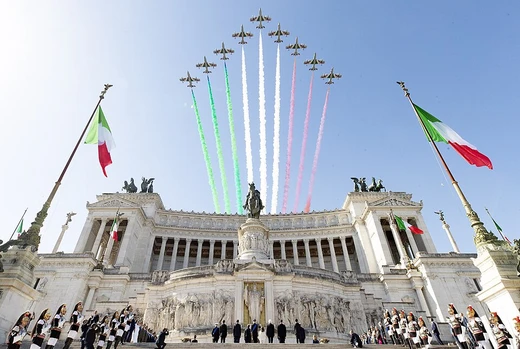
New Year
The day marking the start of a new calendar year.

Crisco 1492 · CC BY-SA 4.0
The New Year is the time or day at which a new calendar year begins and the calendar's year count increments by one. Many cultures celebrate the event in some manner. In the Gregorian calendar, the most widely used calendar system today, New Year occurs on January 1 (New Year's Day, preceded by New Year's Eve). This was also the first day of the year in the original Julian calendar and the Roman calendar (after 153 BC). Other cultures begin their traditional or religious year according to their own customs – typically (though not invariably) because they use a lunar calendar or a lunisolar calendar: the lunisolar Chinese calendar (and its variants), the lunar Islamic calendar and the lunisolar Hebrew calendar are among well-known examples. The Iranian calendar begins the year at the March equinox; the Ethiopian calendar begins in (Gregorian) September. India has many traditional calendars with a matching variety of first days.
- Gregorian date
- January 1
- Other notable dates
- March equinox, September 1, various lunar dates
- Common calendars
- Gregorian, Julian, Chinese, Islamic, Hebrew, Iranian, Ethiopian
- Historical shift
- Moved from various dates to January 1 in Western Europe after Middle Ages
- Orthodox observance
- January 1 civil; religious feasts on January 14 (Julian calendar)
Lore & Background
During the Middle Ages in Western Europe, while the Julian calendar was still in use, authorities moved New Year's Day, depending upon locale, to one of several other days, including March 1, March 25, Easter, September 1, and December 25. Since then, many national civil calendars in the Western World and beyond have changed to using one fixed date for New Year's Day, January 1—most doing so when they adopted the Gregorian calendar. Contrary to common belief in the west, the civil New Year of January 1 is not an Orthodox Christian religious holiday. The Eastern Orthodox liturgical calendar makes no provision for the observance of a New Year. January 1 is itself a religious holiday, but that is because it is the feast of the Circumcision of Jesus (seven days after his birth), and a commemoration of saints. While the liturgical calendar begins September 1, there is also no particular religious observance attached to the start of the new cycle. Orthodox nations may, however, make civil celebrations for the New Year. Those who adhere to the revised Julian calendar (which synchronizes dates with the Gregorian calendar), including Bulgaria, Cyprus, Egypt, Greece, Romania, Syria, Turkey and Ukraine, observe both the religious and civil holidays on January 1. In other nations and locations where Orthodox churches still adhere to the Julian calendar, including Georgia, Israel, Russia, North Macedonia, Serbia, Montenegro and Russian-occupied Ukraine, the civil new year is observed on January 1 of the civil calendar, while those same religious feasts occur on January 14 Gregorian (which is January 1 Julian), in accord with the liturgical calendar.
Reader's Guide
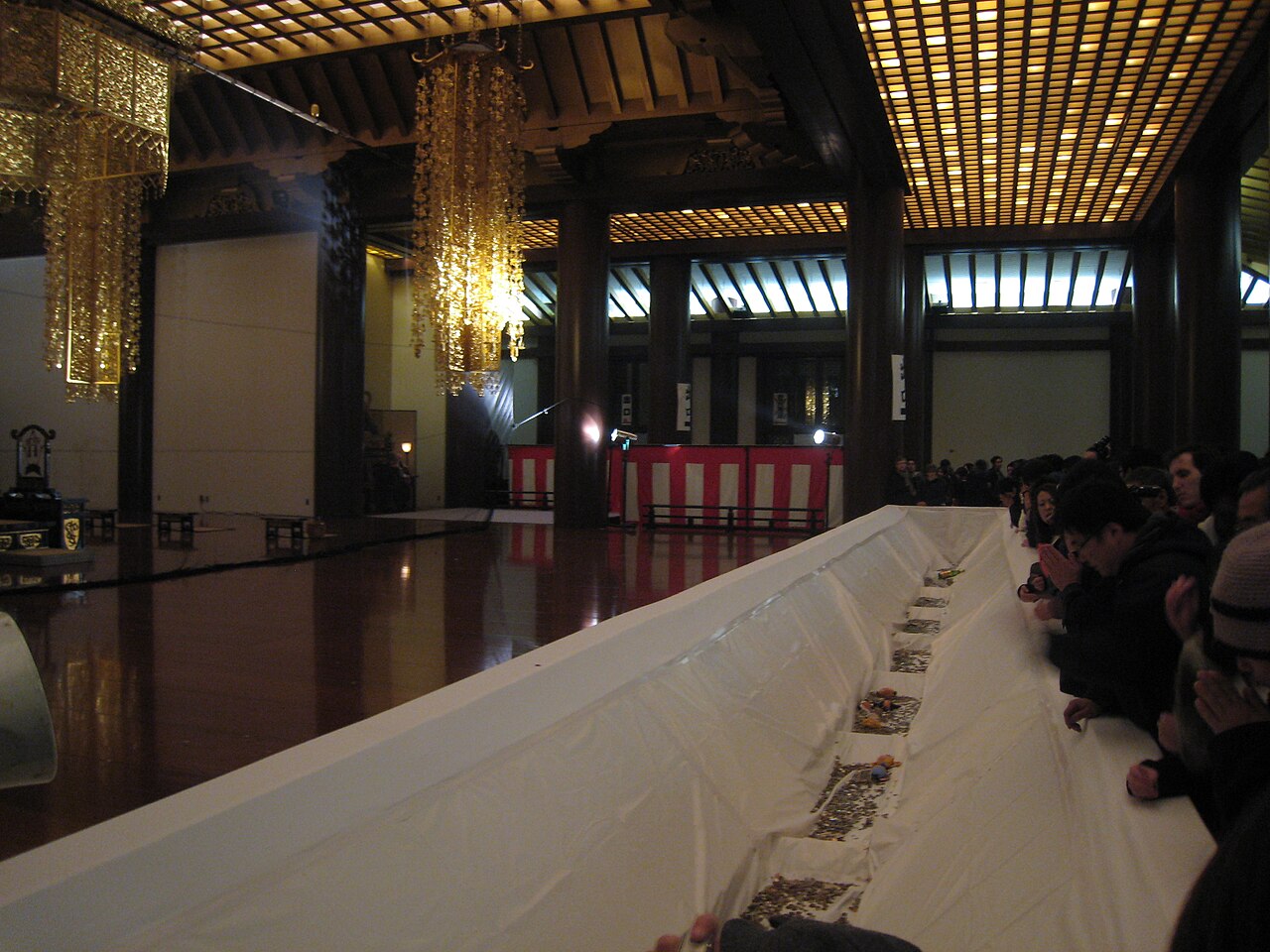
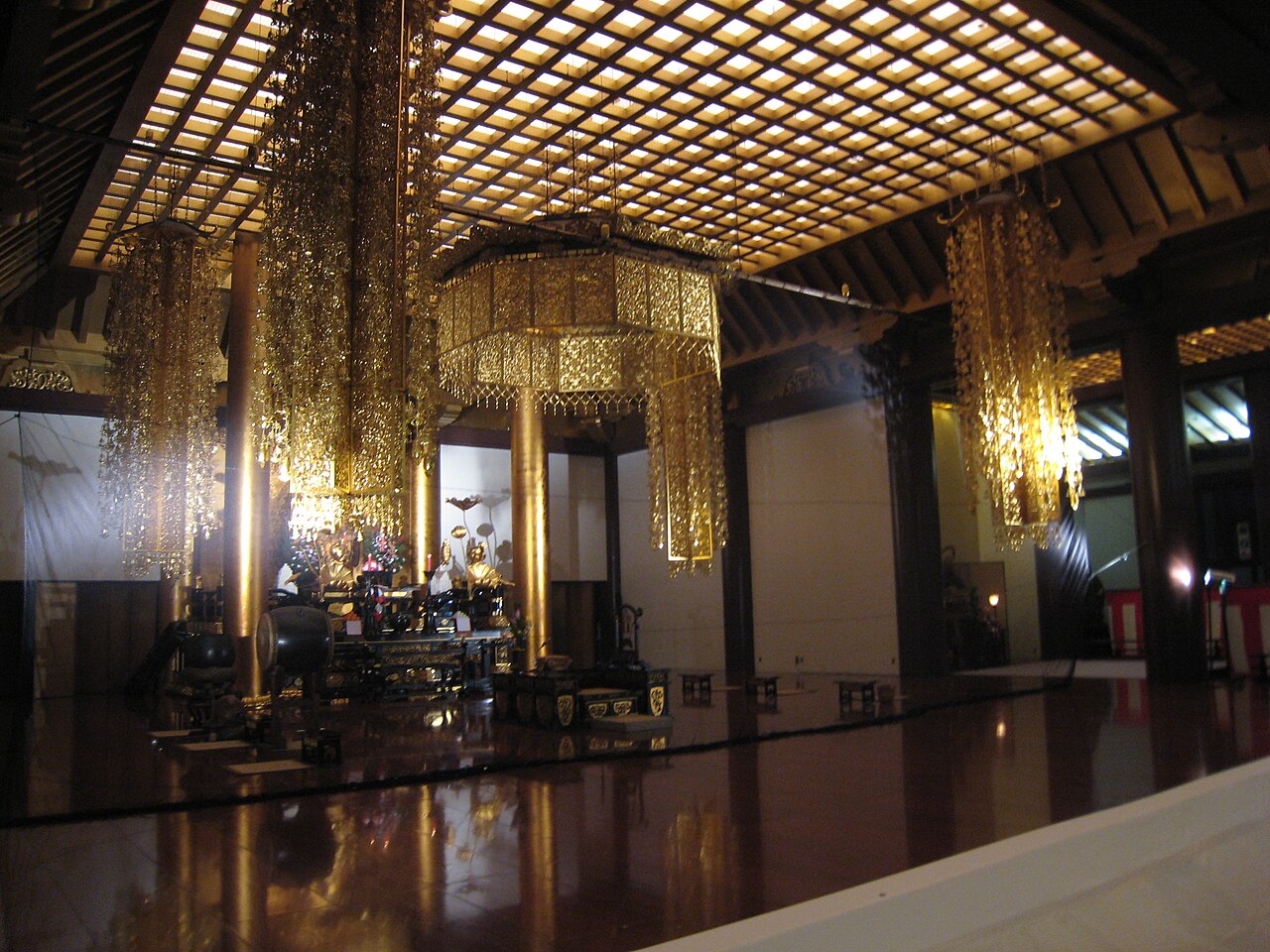
The New Year is a universal concept but varies widely across cultures and calendars. The Gregorian calendar's January 1 is the most common civil New Year, adopted by many countries when they switched from the Julian calendar. However, numerous traditional and religious calendars mark the New Year on different dates: the Chinese lunisolar calendar places it between January 21 and February 21; the Iranian calendar begins at the March equinox; the Ethiopian calendar starts in September. The diversity reflects the use of lunar, lunisolar, and solar calendars. In Orthodox Christian nations, the civil New Year on January 1 is separate from religious observances, which follow the Julian calendar. The Japanese New Year (正月, Shōgatsu) is currently celebrated on January 1, with the holiday usually being observed until January 3, while other sources say that Shōgatsu lasts until January 6. In 1873, five years after the Meiji Restoration, Japan adopted the Gregorian calendar. Prior to 1873, Japan used a lunar calendar with twelve months each of 29 or 30 days for a total year of about 354 days. The Sámi celebrated Ođđajagemánnu. The Babylonian New Year began with the first New Moon after the northward equinox; ancient celebrations lasted for eleven days. The Balinese New Year, based on the Saka Calendar (Balinese-Javanese Calendar), is called Nyepi, and it falls on Bali's Lunar New Year (around March). It is a day of silence, fasting, and meditation: observed from 6 am until 6 am the next morning, Nyepi is a day reserved for self-reflection and as such, anything that might interfere with that purpose is restricted. The Thelemic New Year on March 20 (or on April 8 by some accounts) is usually celebrated with an invocation to Ra-Hoor-Khuit, commemorating the beginning of the New Aeon in 1904. The article also lists many other regional New Year celebrations, such as Ugadi, Gudi Padwa, and Cheti Chand in India, and Losar in Tibet.
Did You Know?
- The Eastern Orthodox liturgical calendar makes no provision for the observance of a New Year; January 1 is a religious holiday because it is the feast of the Circumcision of Jesus.
- In 1873, five years after the Meiji Restoration, Japan adopted the Gregorian calendar; prior to that, Japan used a lunar calendar with a total year of about 354 days.
- The Babylonian New Year began with the first New Moon after the northward equinox, and ancient celebrations lasted for eleven days.
- Nyepi, the Balinese New Year, is a day of silence, fasting, and meditation observed from 6 am until 6 am the next morning, during which the only airport in Bali remains closed for the entire day.
- From 1155 until 1752, the civil year in England and its possessions began on March 25.
A Patchwork of Observance
In Switzerland, the celebration of New Year and other public holidays is not governed by a single national decree. Instead, the country's twenty-six cantons each retain the authority to determine their own public holiday schedules independently. The sole exception to this decentralized approach is 1 August, which stands as the one and only federal holiday recognized uniformly across all cantons. This means that the way New Year is observed, and how it fits into the broader holiday calendar, can vary from one canton to the next. There is no single Swiss-wide list that dictates exactly which days are off for every citizen. The holiday landscape is deliberately fragmented, reflecting the Swiss tradition of local autonomy. For someone trying to understand how New Year sits within the Swiss calendar, the answer depends heavily on which of the twenty-six cantons one finds oneself in, making the holiday experience a distinctly regional affair rather than a uniform national one.
Employer and Community Influence
Beyond the cantonal level, the observance of New Year and other holidays in Switzerland is further shaped by individual employers and local communities. The holiday calendar is not a fixed, immutable document; rather, it can shift depending on the employer in question. A worker in one company may observe a different set of holidays than a colleague at a neighboring firm, even within the same canton. Adding another layer of complexity, certain holidays are tied to specific towns or villages rather than to a broader regional or national framework. This means that a particular community might celebrate an additional day off that surrounding areas do not recognize. The result is a highly personalized and localized holiday experience where New Year, while likely observed broadly, exists within a mosaic of employer-specific and village-specific designations that make each individual's calendar unique.
Finding the Definitive Calendar
Navigating the Swiss holiday landscape, particularly around New Year, requires a practical approach to finding accurate information. Because the holiday schedule is so fragmented across cantons, employers, and individual communities, there is no single authoritative source that covers every scenario. However, the most reliable way to determine which days are actually off in a given area is to consult the operating schedules of local bank shops and offices. These institutions publish their closure dates in connection with bank holidays, and their lists tend to reflect the true holiday calendar for that specific locale. This practical reference point cuts through the complexity of cantonal independence and employer variation, giving residents and visitors alike a concrete, locally grounded answer to the question of when New Year and other holidays actually fall. The bank's posted schedule becomes, in effect, the de facto calendar for the community.
Beyond the Federal Framework
The Swiss approach to public holidays, including New Year, exists within a broader cultural and religious context that extends well beyond the purely administrative. The liturgical year in Switzerland plays a role in shaping the holiday calendar, connecting secular observances to a longer tradition of religious and cultural rhythms. The country's holiday structure is documented through multiple lenses: canton-by-canton listings, designations specific to particular places or parts of cantons, and references to the wider liturgical framework. External resources, including comprehensive overviews available in German and dedicated calendar websites, provide additional layers of detail for those seeking to understand the full scope of Swiss holiday observance. Together, these sources paint a picture of a nation where New Year is not merely a single date on a national calendar but a point within a rich, layered, and deeply localized system of commemoration and rest.
Gallery
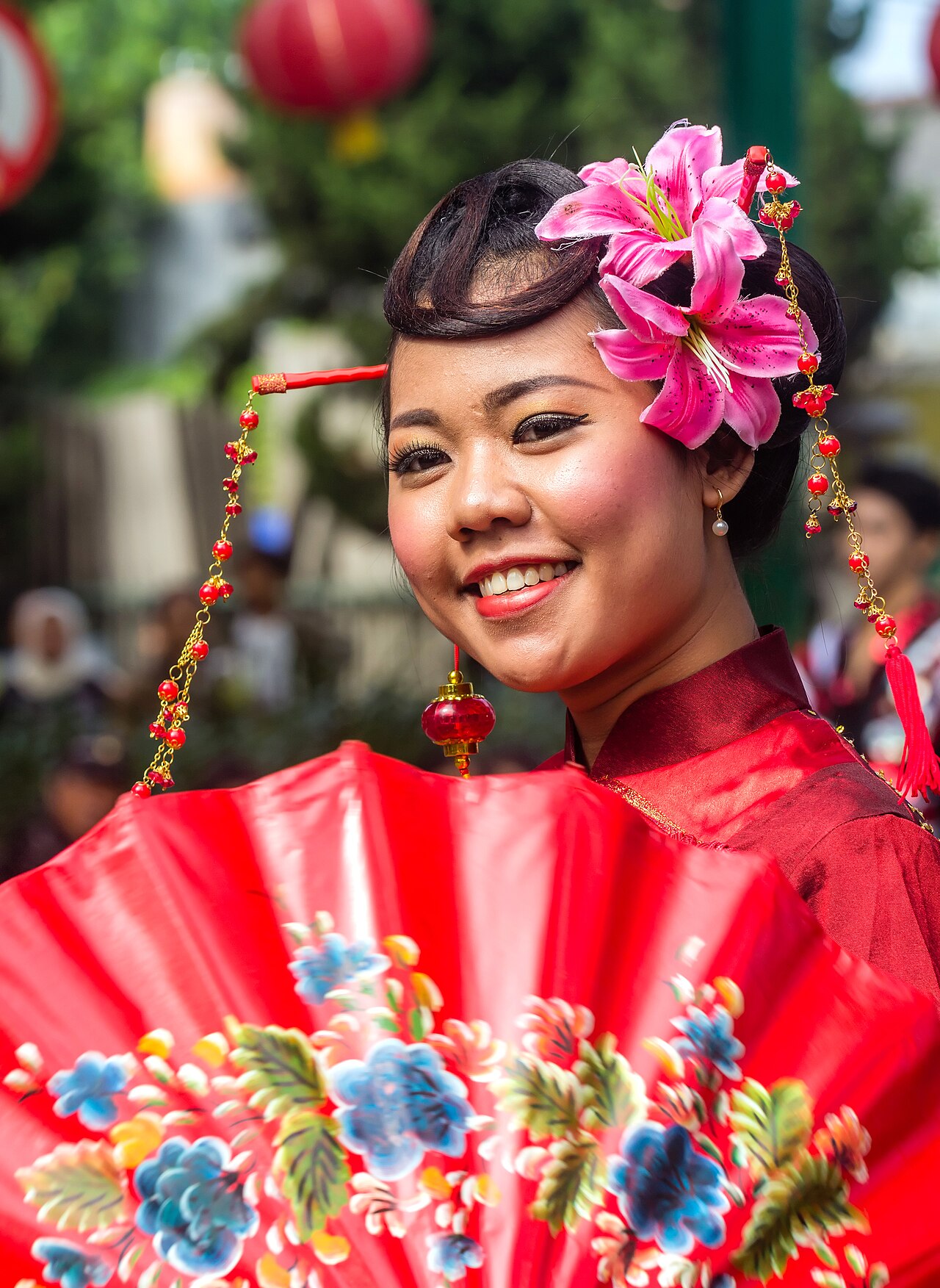

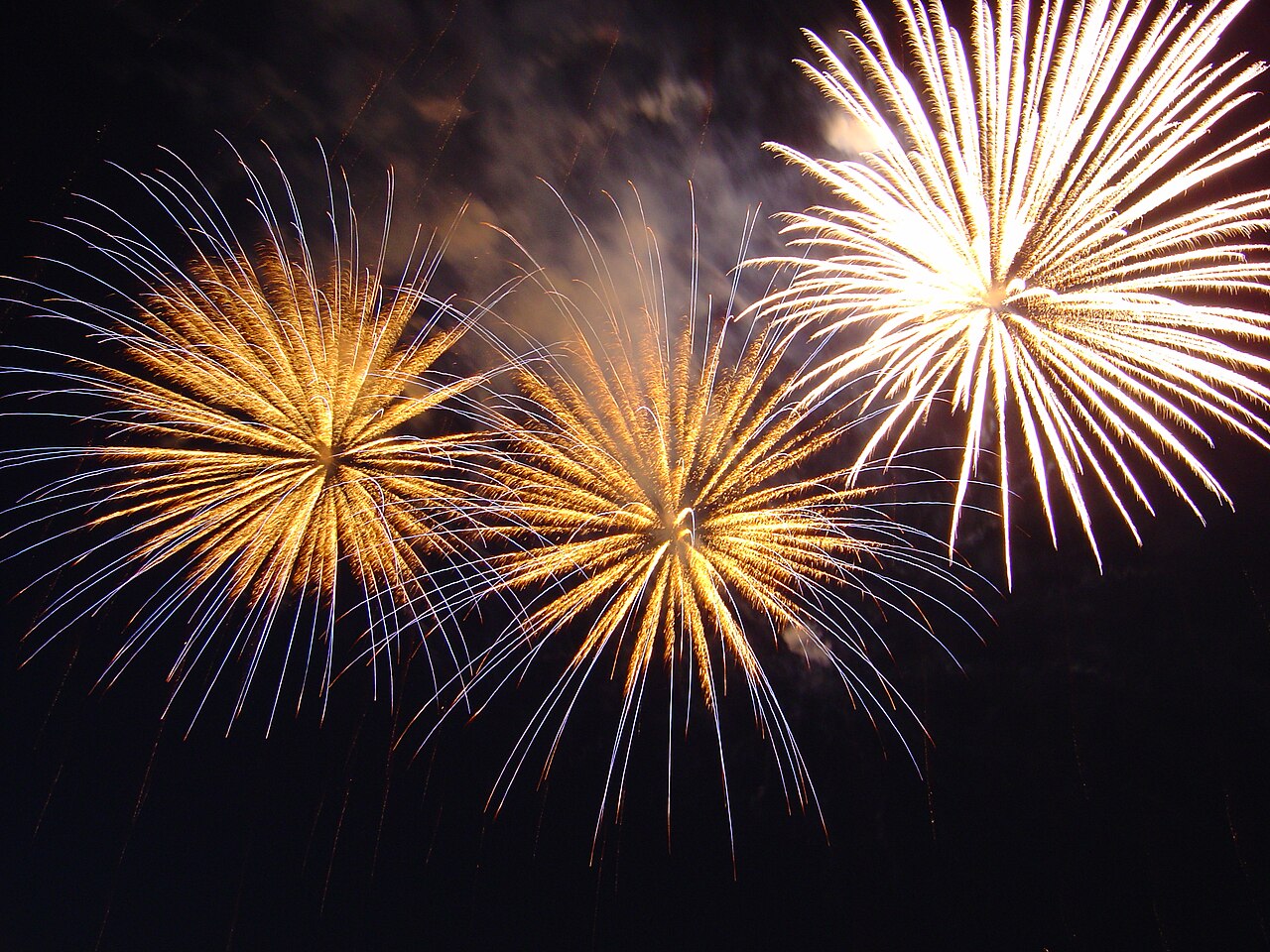
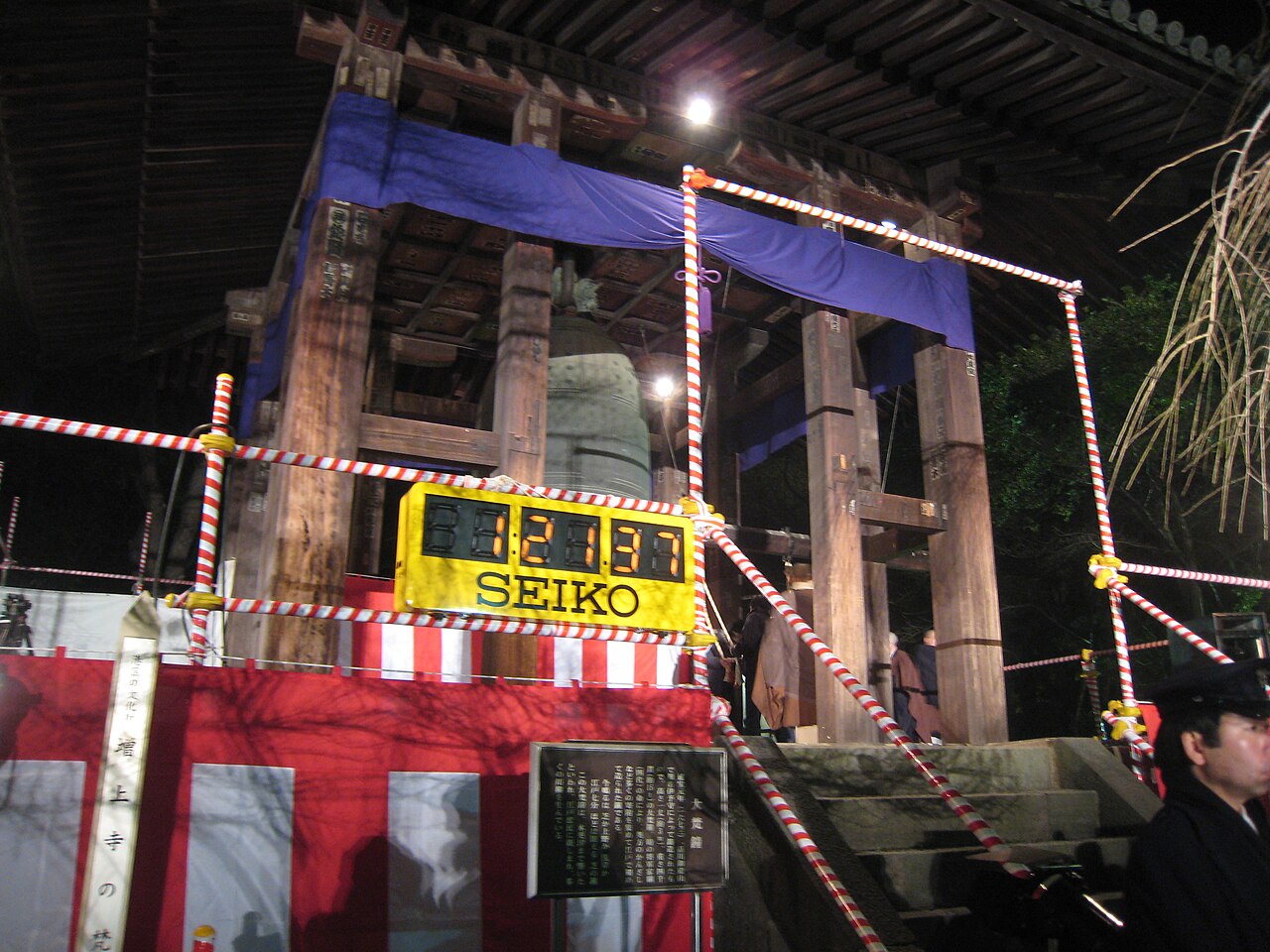
Frequently Asked Questions
Who is New Year?
New Year is the annual observance that marks the moment a calendar year turns over and the year count advances by one. In the Gregorian system it falls on January 1, preceded by the evening known as New Year's Eve.
What is New Year's role in the calendar?
It serves as the fixed boundary between one year and the next, resetting the year number for every culture that observes it. Different traditions anchor that boundary to different dates—January 1, the spring equinox, or a lunar new-moon—depending on which calendar they follow.
How does the New Year celebration end?
The observance typically spans New Year's Eve into the first moments of January 1, with countdowns and fireworks marking the exact transition. After the initial festivities, the day settles into a regular civil holiday in most countries.
Why is New Year important across cultures?
It is one of the few holidays that virtually every civilization celebrates in some form, because every calendar needs a defined starting point for its year count. The shared human impulse to mark a fresh beginning makes it a near-universal occasion for reflection and renewal.
When do different cultures observe New Year?
The Gregorian and Julian calendars place it on January 1, while the Chinese, Islamic, Hebrew, Iranian, and Ethiopian traditions each tie their new year to lunar or lunisolar cycles, often landing in different months. Orthodox Christian communities observe the civil holiday on January 1 but celebrate the religious feast on January 14, following the Julian calendar.
More in Public Holidays & Observances 1-24
Related in Public Holidays & Observances
Links follow this subject's own source article.
Elsewhere in the Public Holidays & Observances universe
Spotted an error? Know more?
This is a living reference — every entry is fact-audited, and reader corrections feed straight into our audit queue. Suggest an edit · See this site's audit record